|
 |
 |
 |
 |
 |
 |
 |
 |
|
|
|
|
|
|
|
|
|
![[FRACTAL OF THE
DAY]](fractals/fracday0.gif) |
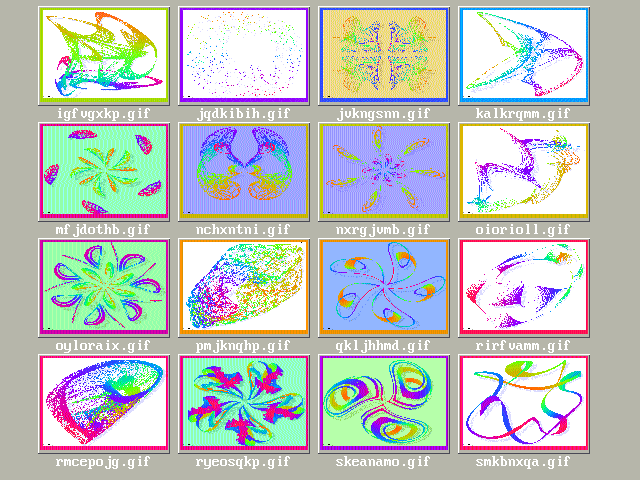
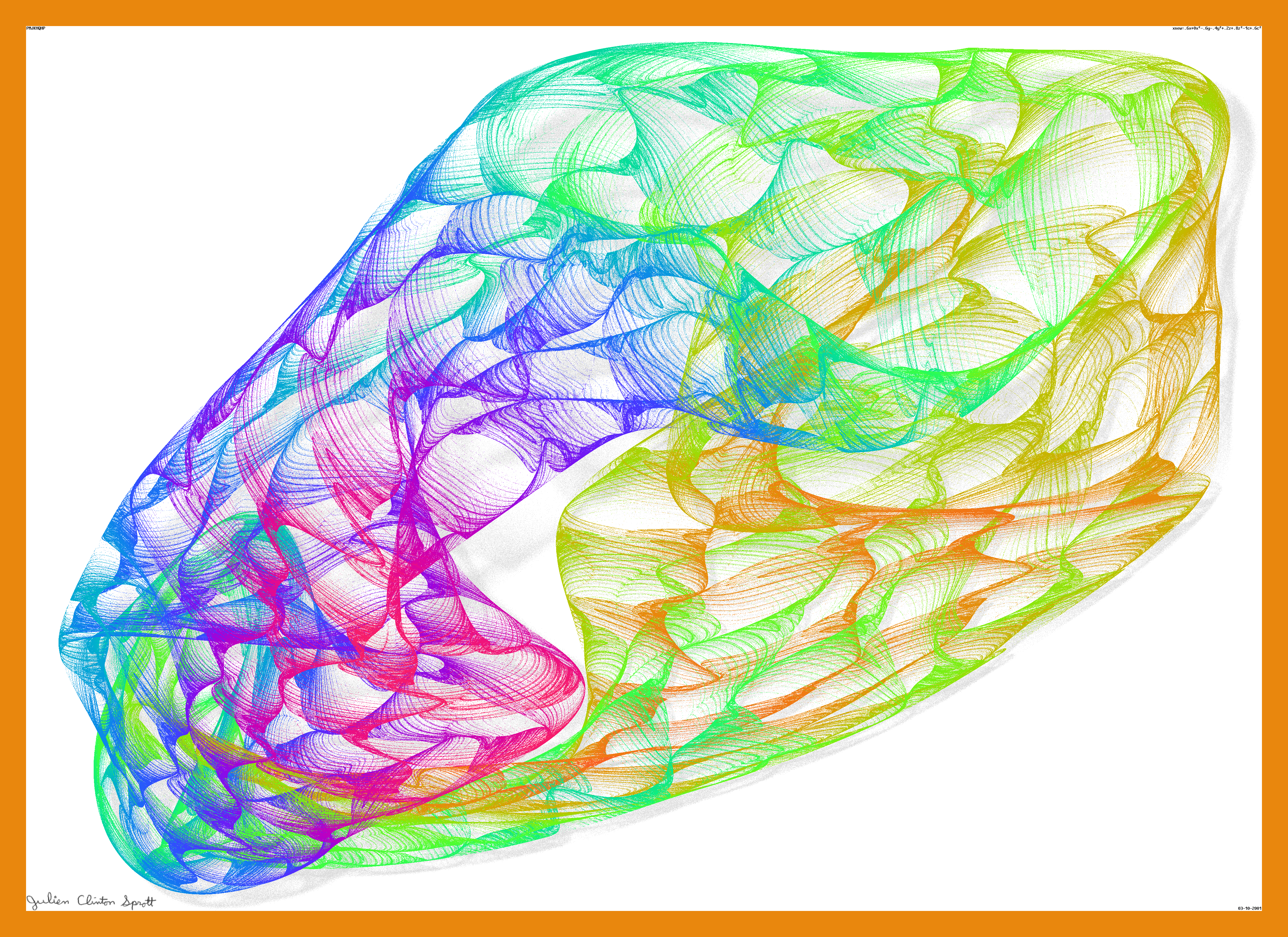
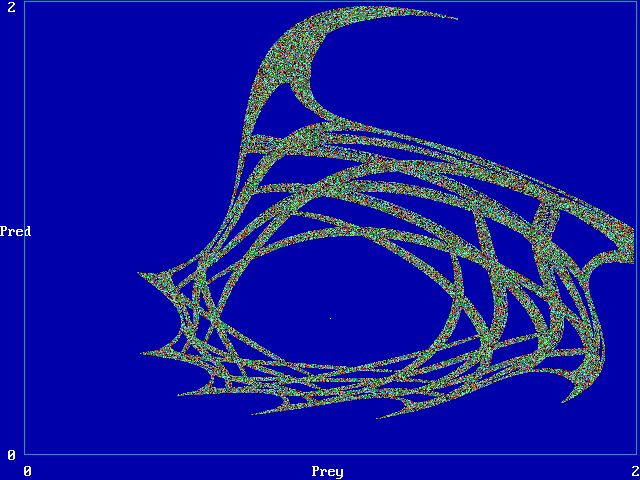
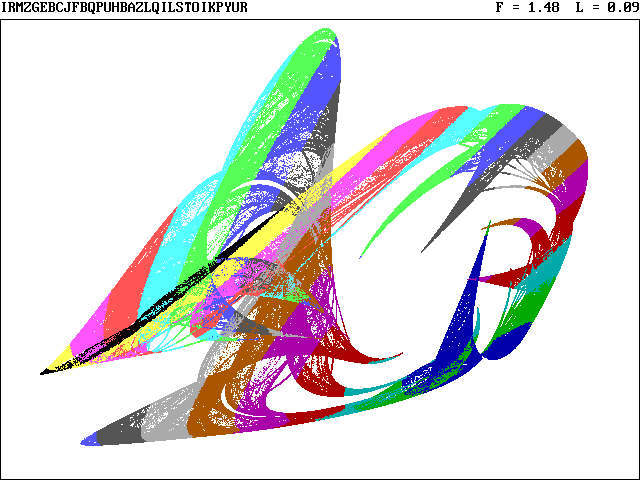
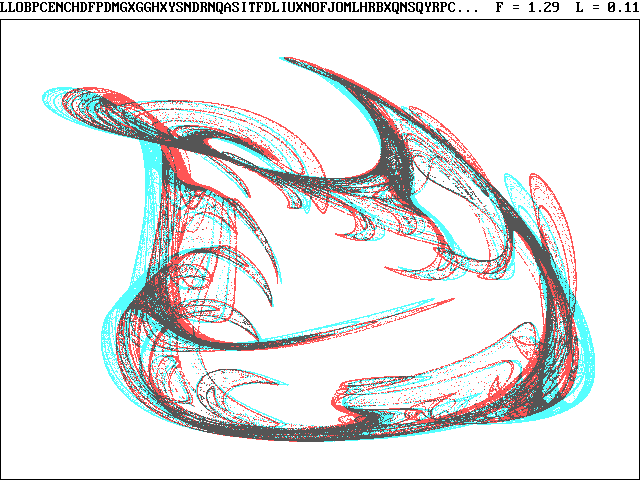
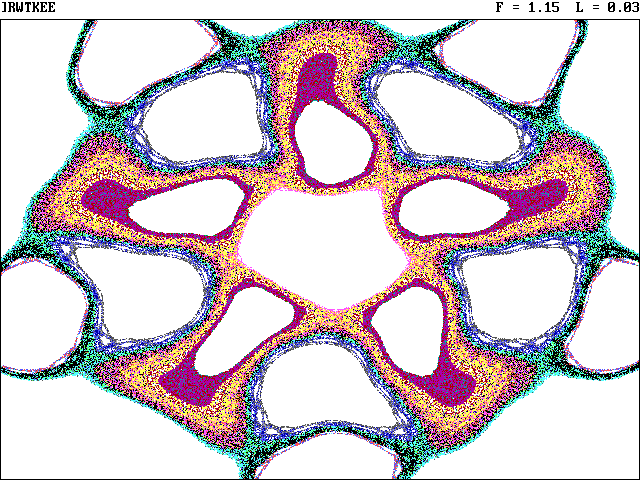
 Every day at a few minutes past midnight
(local Wisconsin time), a new fractal is
automatically posted using a variation of the program included with the book Strange Attractors: Creating Patterns in Chaos
by Julien C. Sprott. The figure above is
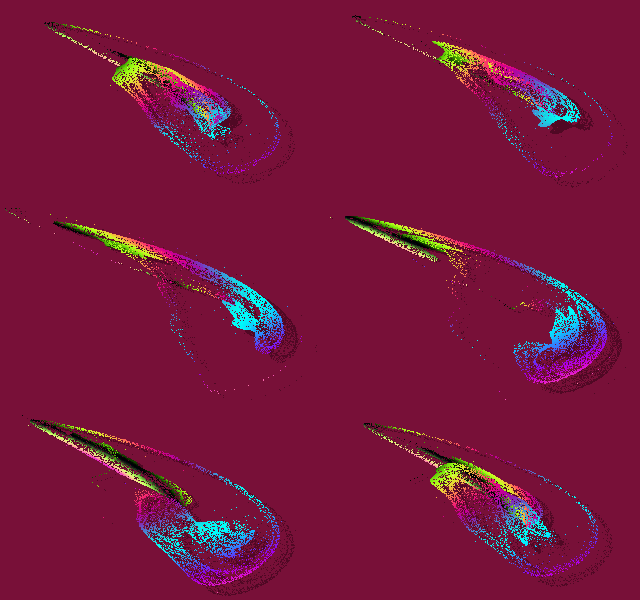
today's fractal. Click on it or on any of the cases below to see
them at higher (640 x 480) resolution with a code that identifies
them according to a scheme described in the book. Older Fractals
of the Day are saved in an archive.
If your browser supports Java, you might enjoy the applet that creates a new
fractal image every five seconds or so. If you would like to place
the Fractal of the Day on your Web page, you may do so provided
you mention that it is from Sprott's Fractal Gallery and provide a
link back to this page. If you want to make your own fractals, I
recommend the Chaoscope
freeware.
Every day at a few minutes past midnight
(local Wisconsin time), a new fractal is
automatically posted using a variation of the program included with the book Strange Attractors: Creating Patterns in Chaos
by Julien C. Sprott. The figure above is
today's fractal. Click on it or on any of the cases below to see
them at higher (640 x 480) resolution with a code that identifies
them according to a scheme described in the book. Older Fractals
of the Day are saved in an archive.
If your browser supports Java, you might enjoy the applet that creates a new
fractal image every five seconds or so. If you would like to place
the Fractal of the Day on your Web page, you may do so provided
you mention that it is from Sprott's Fractal Gallery and provide a
link back to this page. If you want to make your own fractals, I
recommend the Chaoscope
freeware.
![[juliaset]](fractals/chaos/juliaset.gif) |
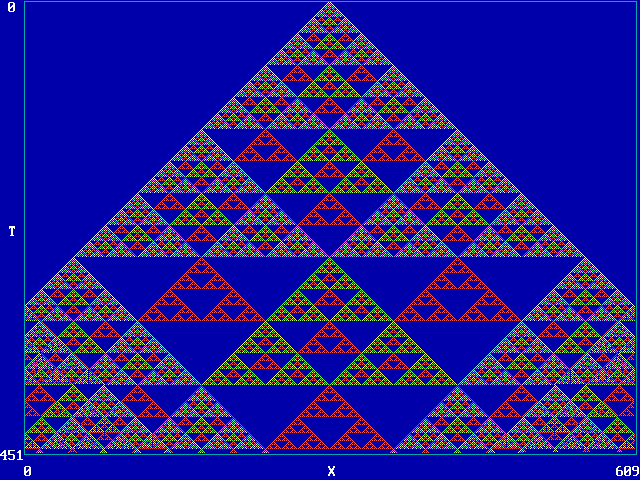
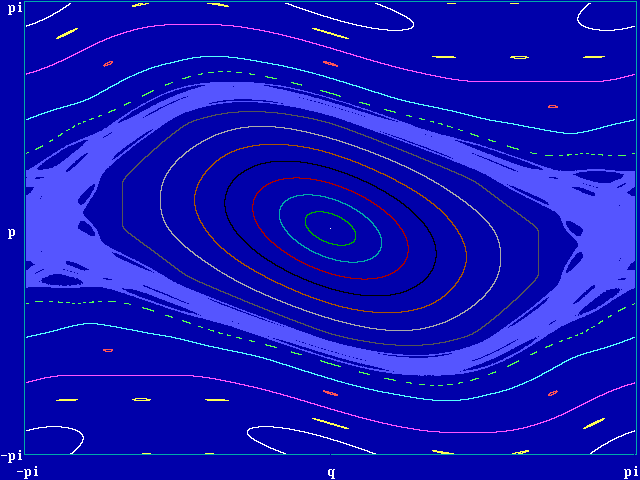
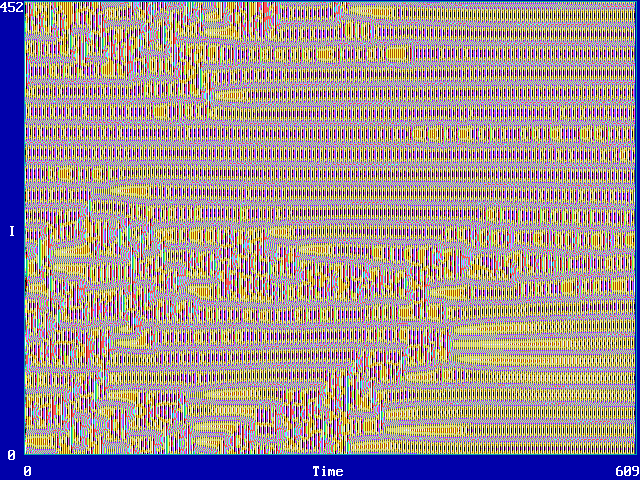
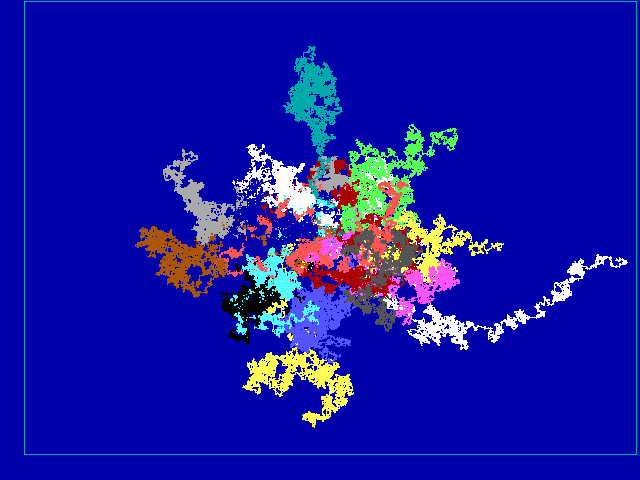
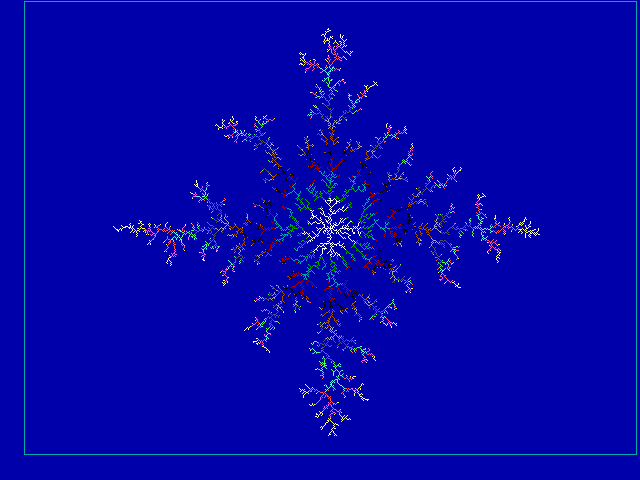
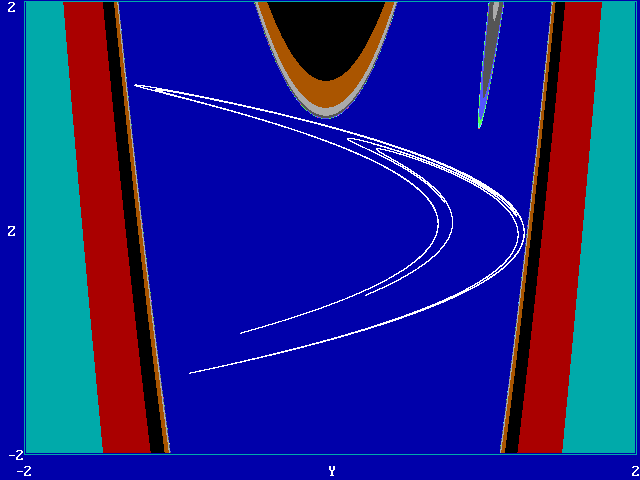
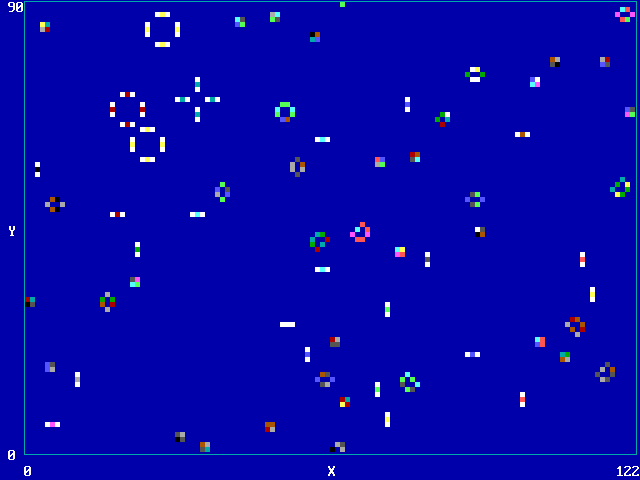
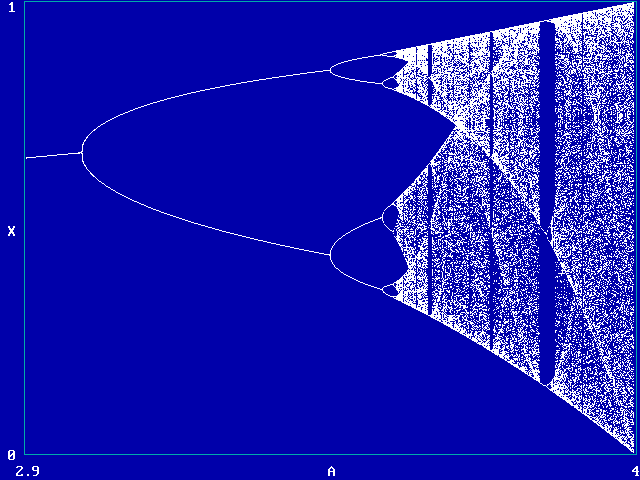
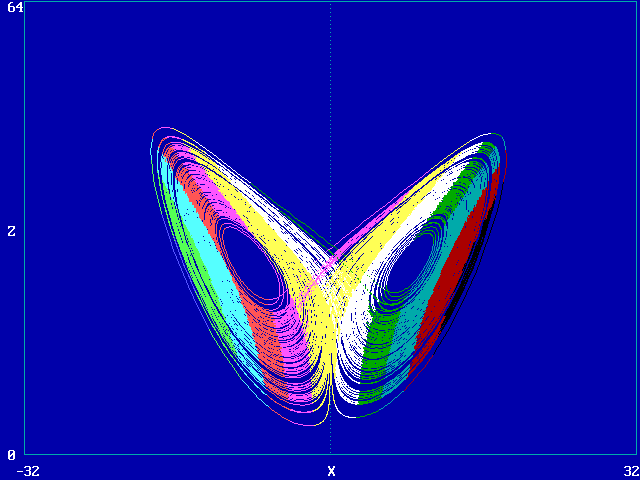
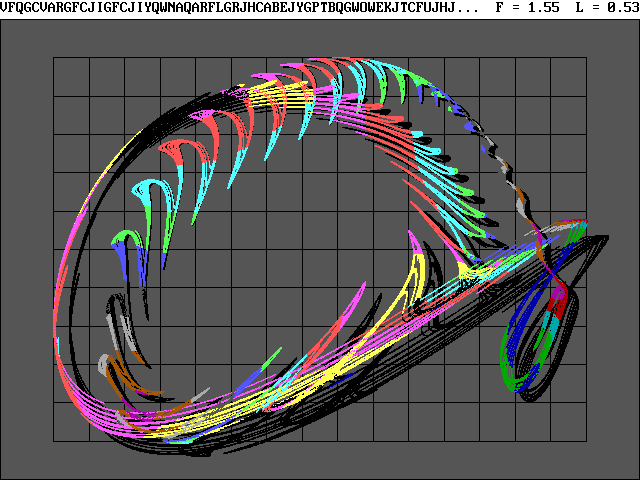
The following rather standard fractals
are low-resolution sample screen captures from the Chaos Demonstrations program by J. C. Sprott and G.
Rowlands. You may also want to view an index of these and many other screen
captures from the program.
 )
)![[plate03]](fractals/bookfigs/plate03.gif) |
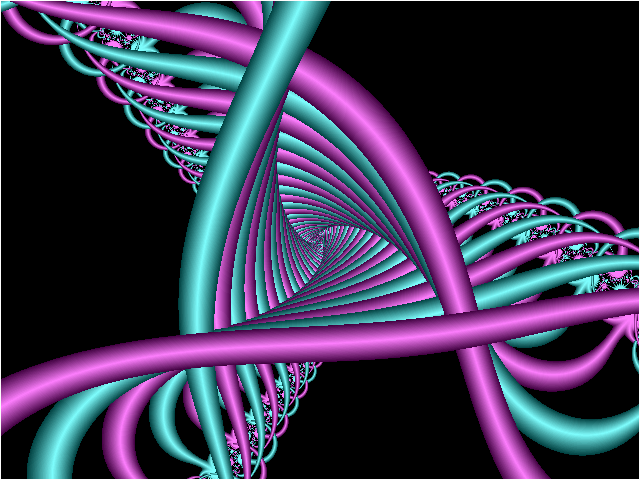
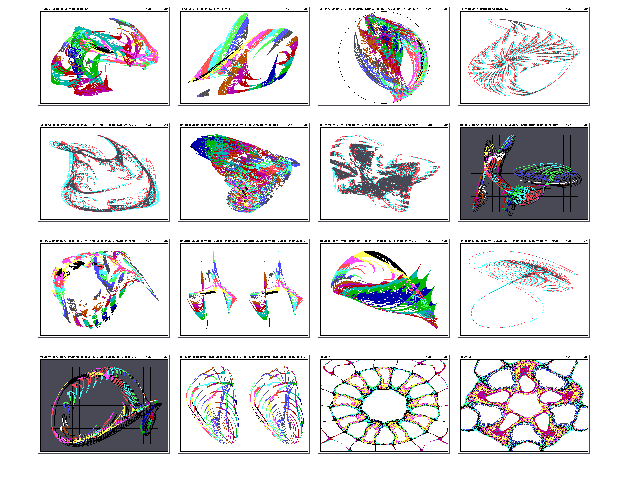
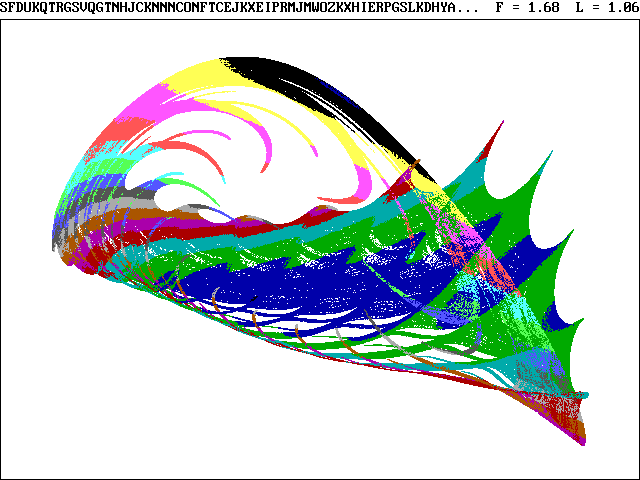
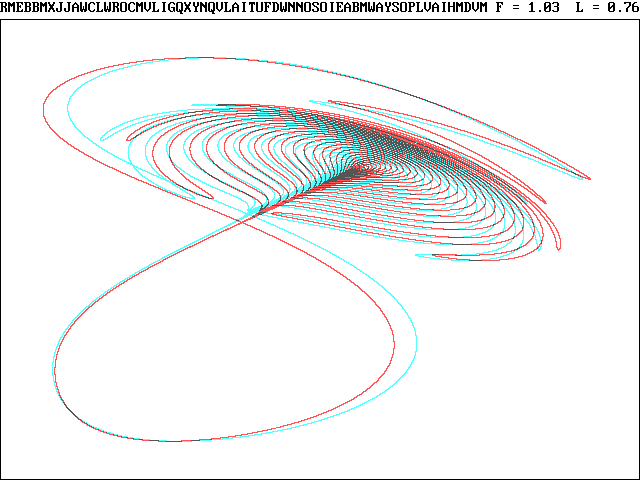
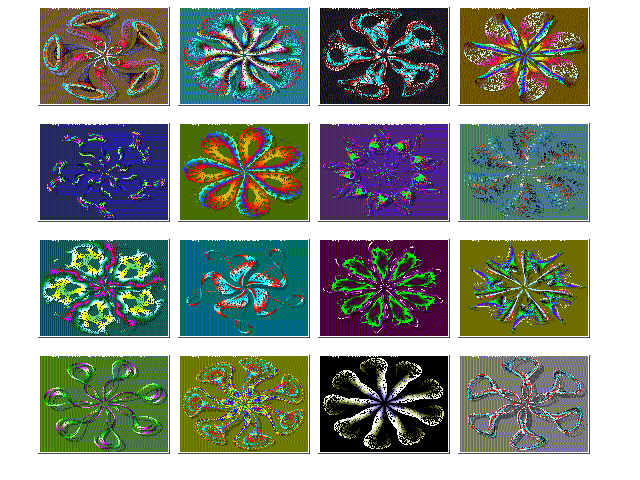
The following fractals are low-resolution
sample color plates from the book Strange
Attractors: Creating Patterns in Chaos by Julien C. Sprott. You may also want to
view an index of all 371 figures
from the book.
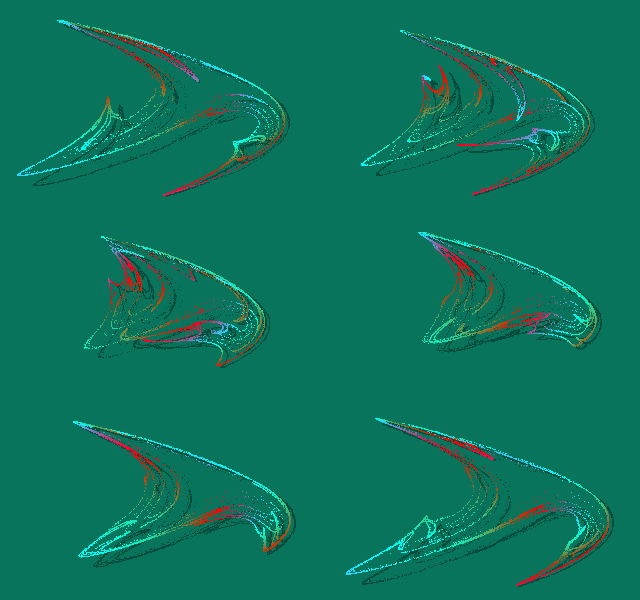
))))![[inrrxlce]](fractals/inrrxlce.gif) |
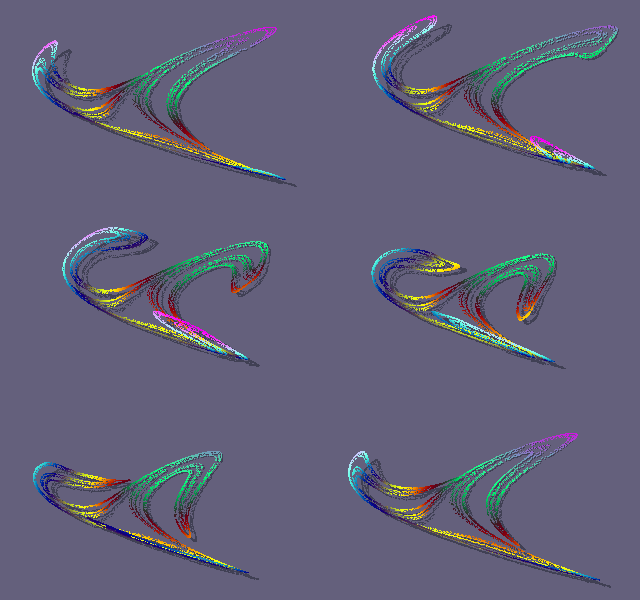
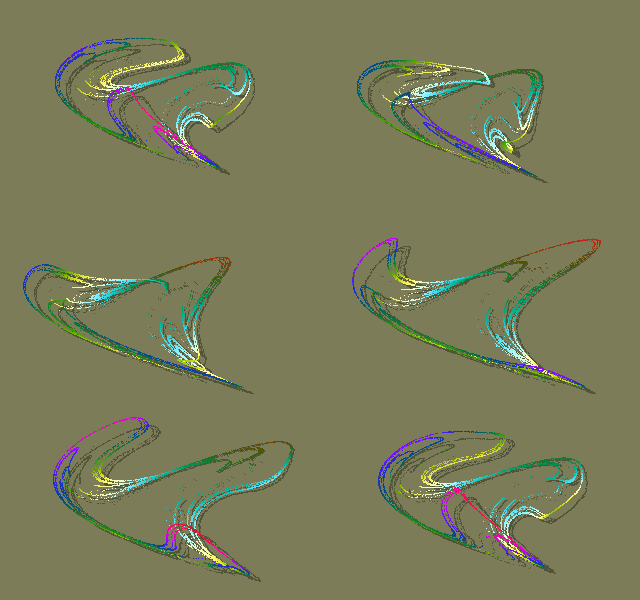
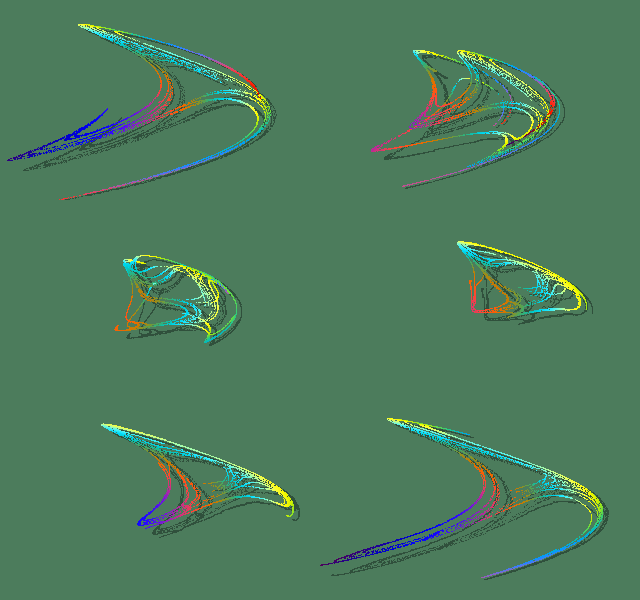
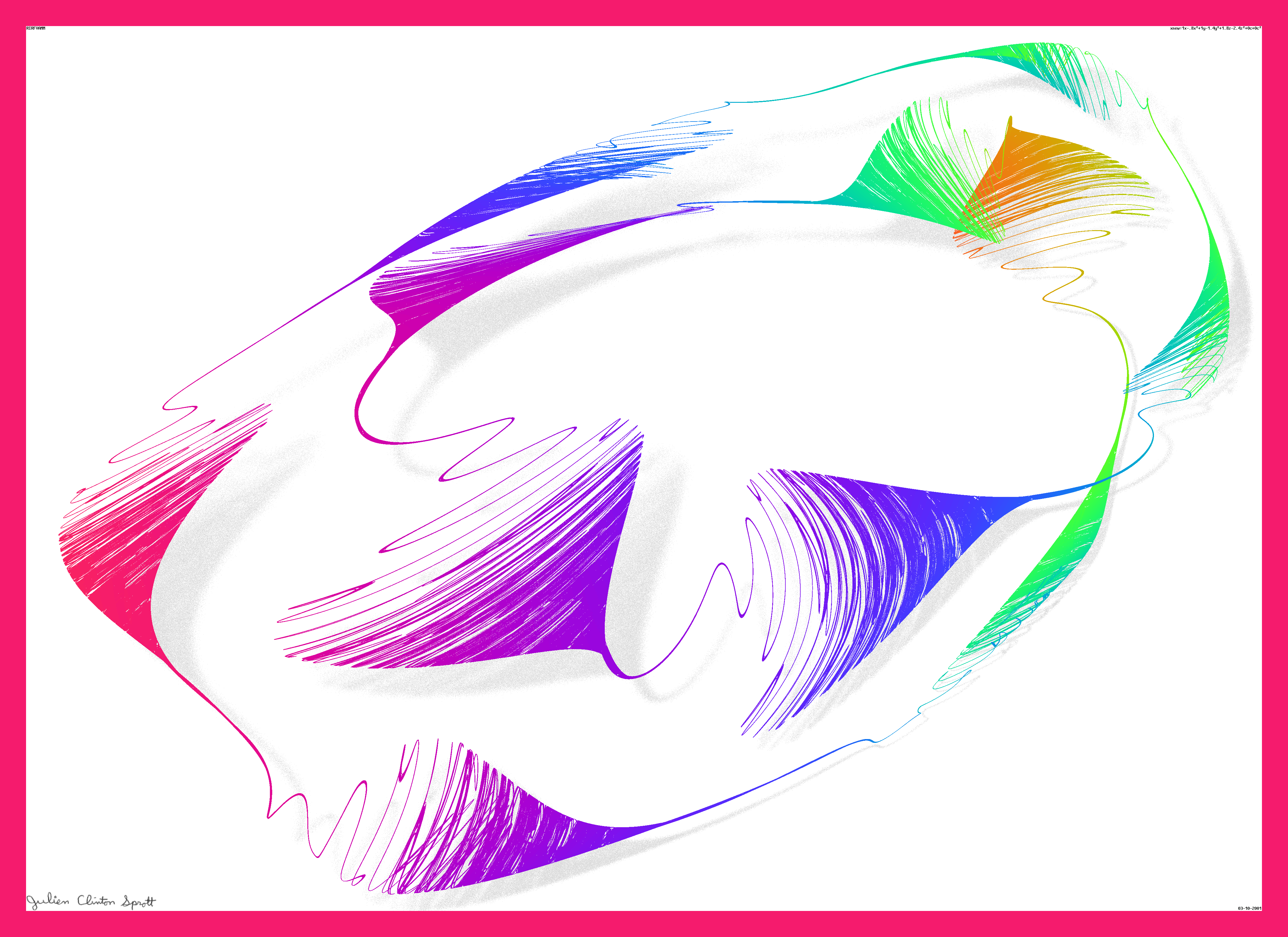
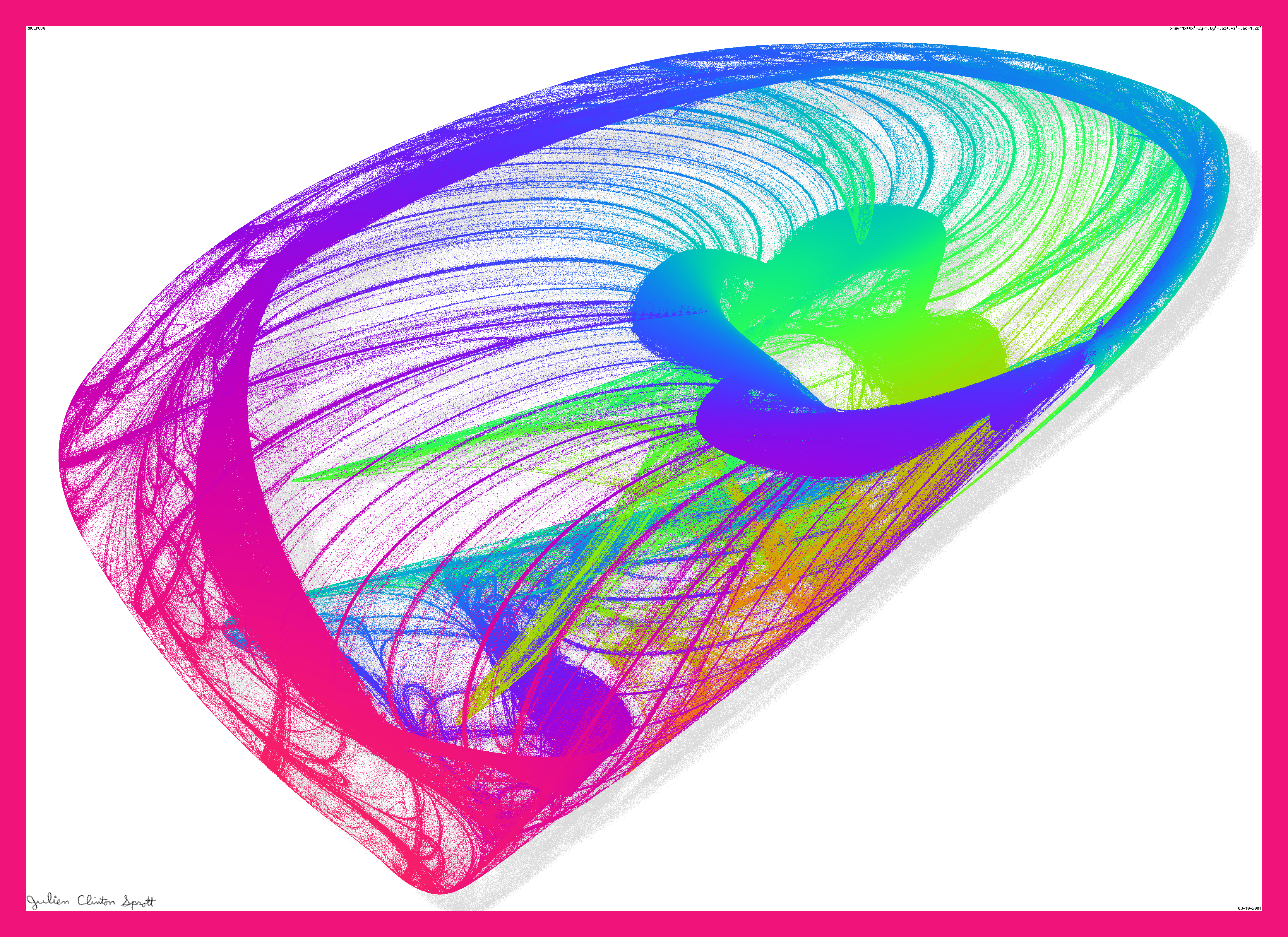
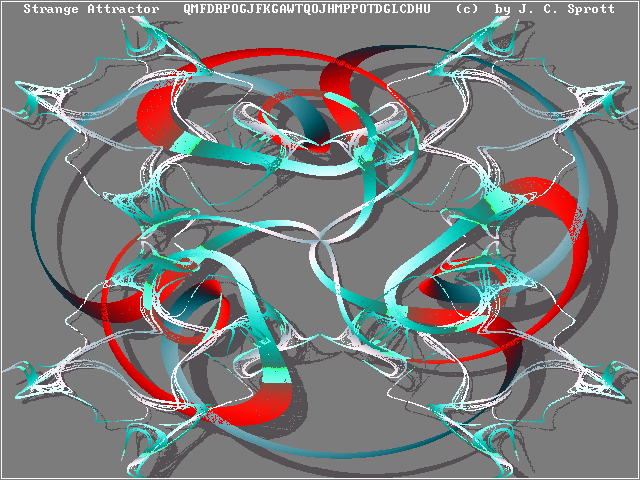
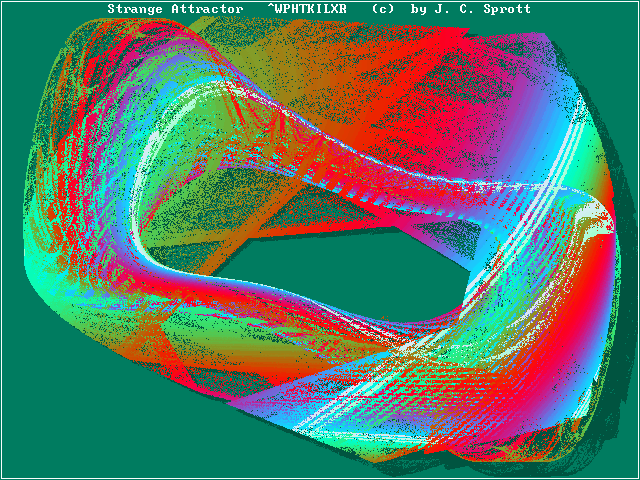
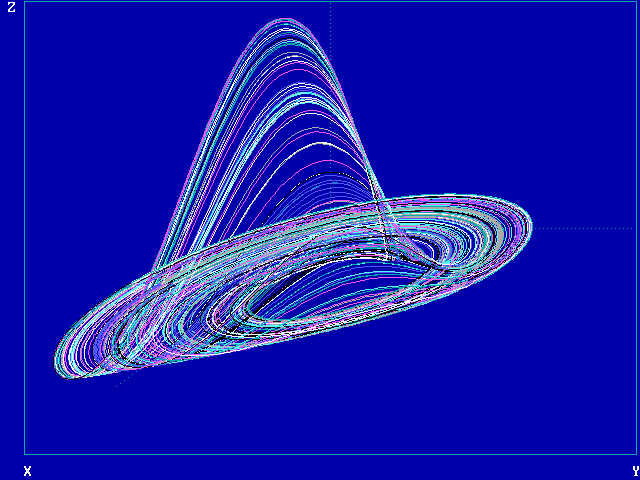
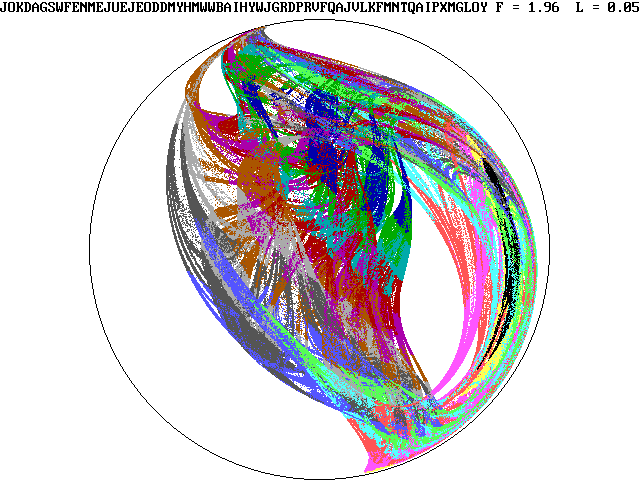
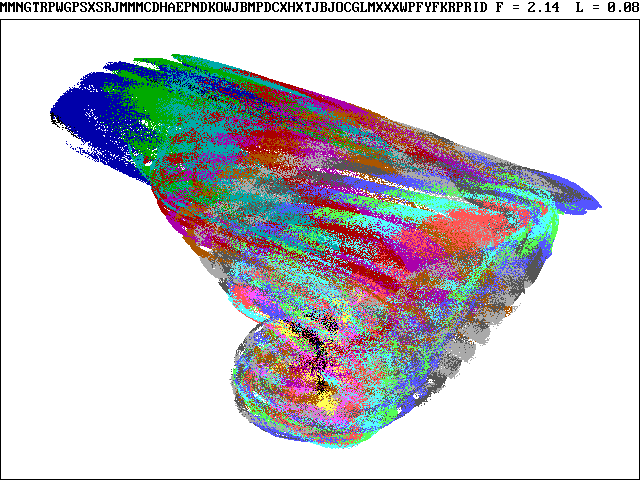
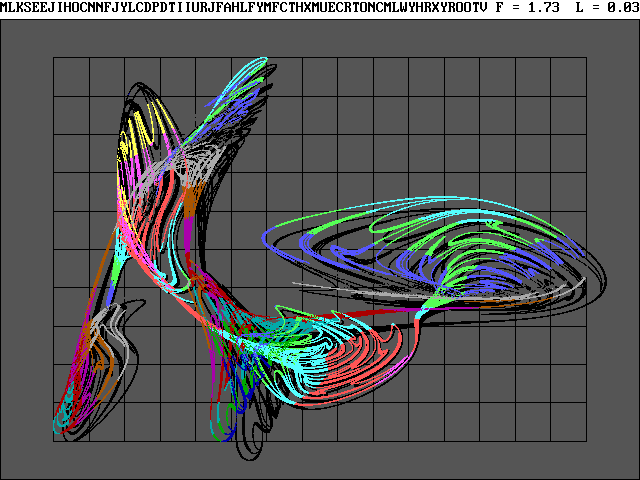
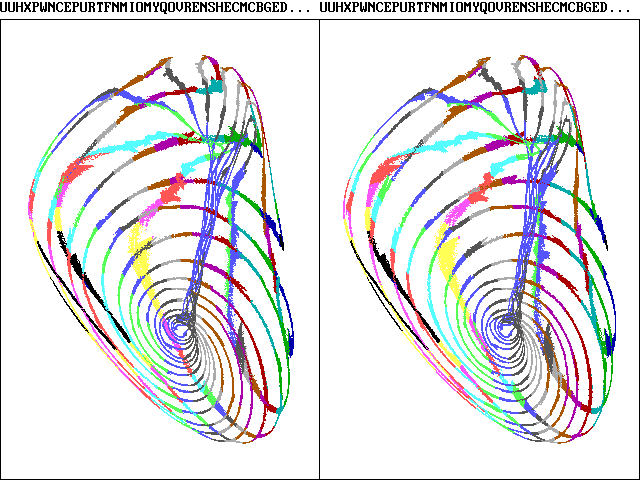
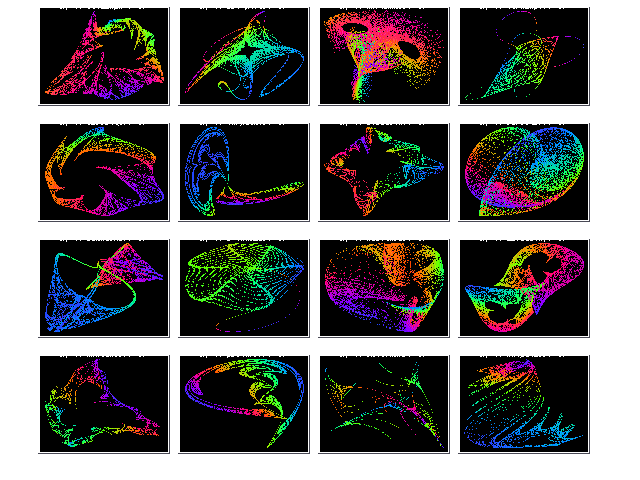
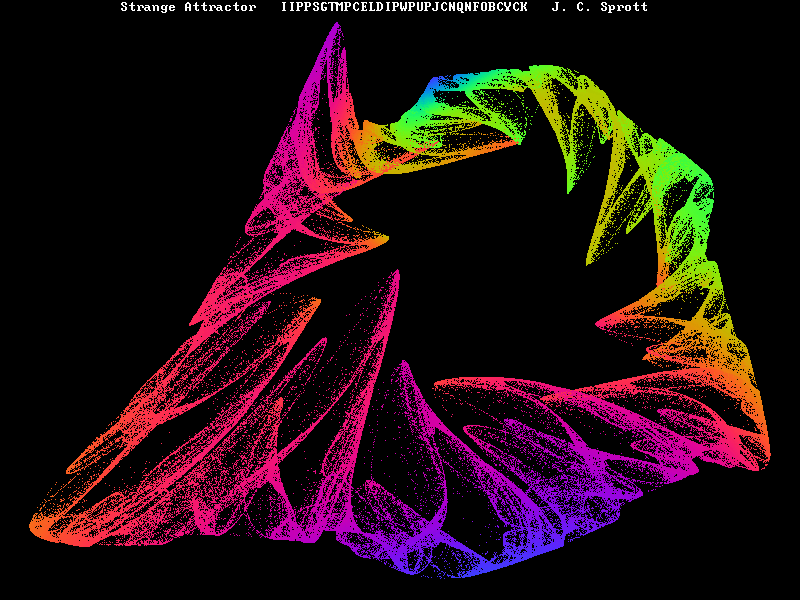
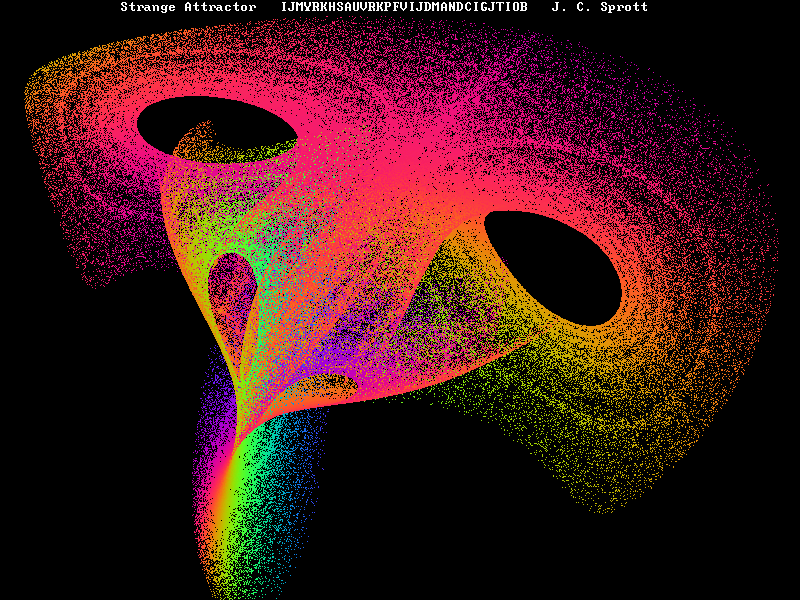
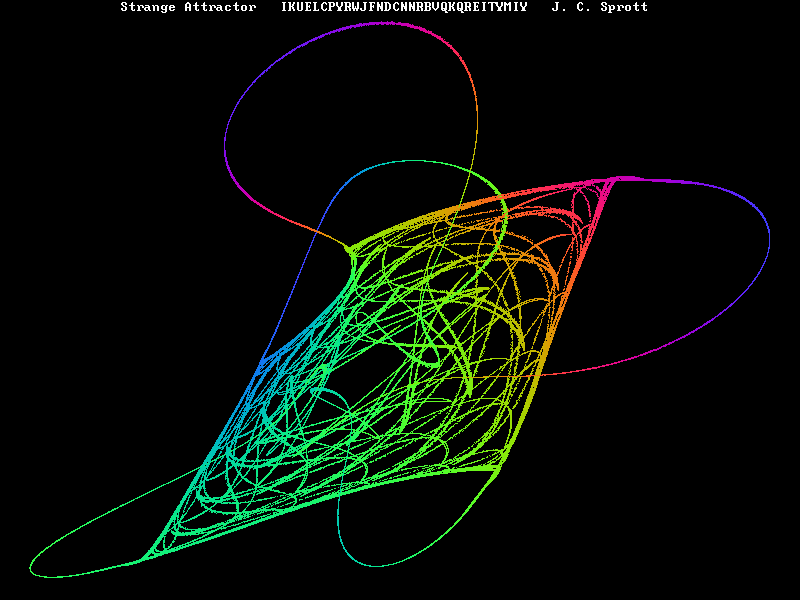
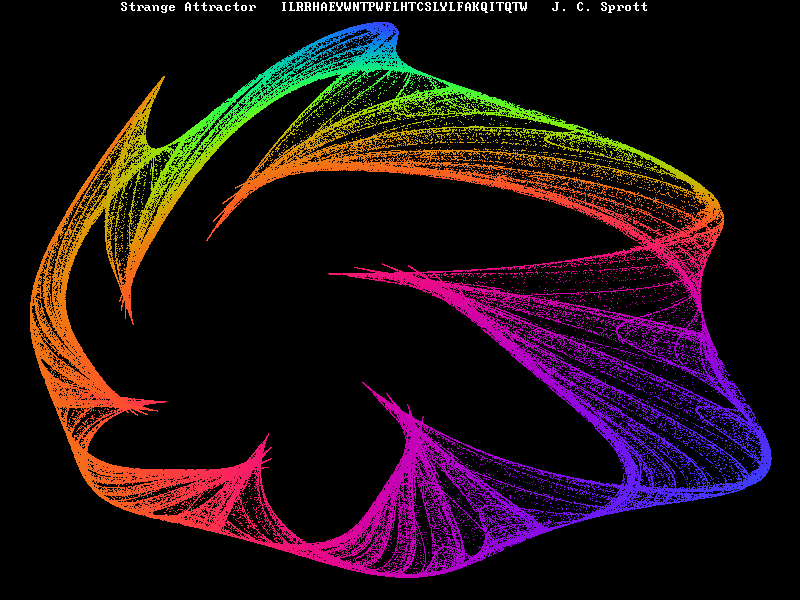
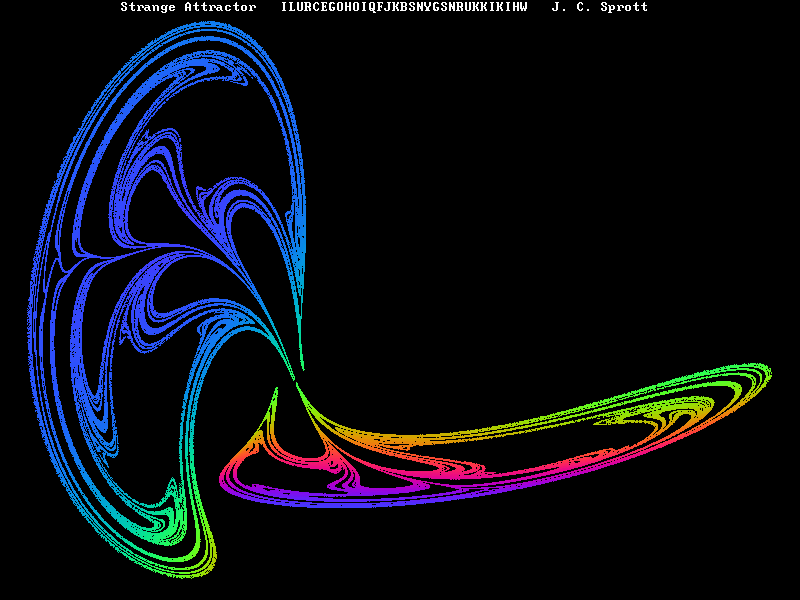
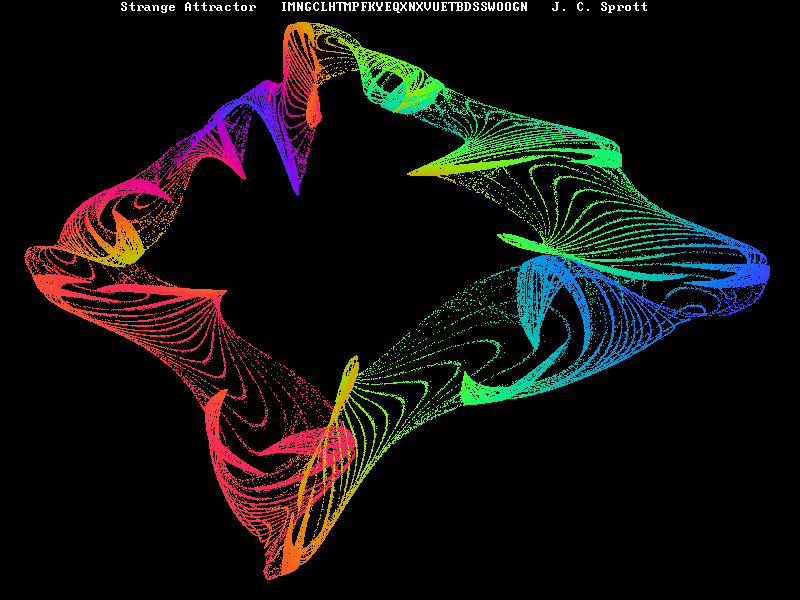
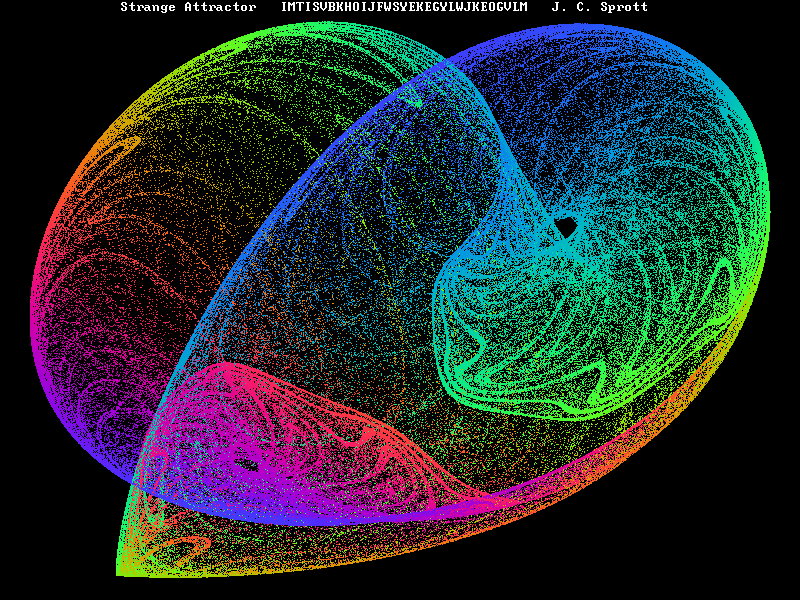
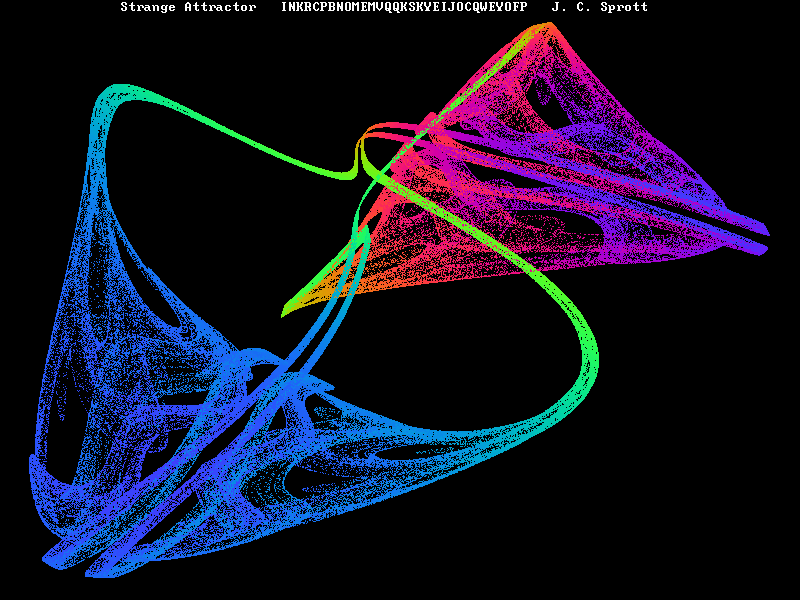
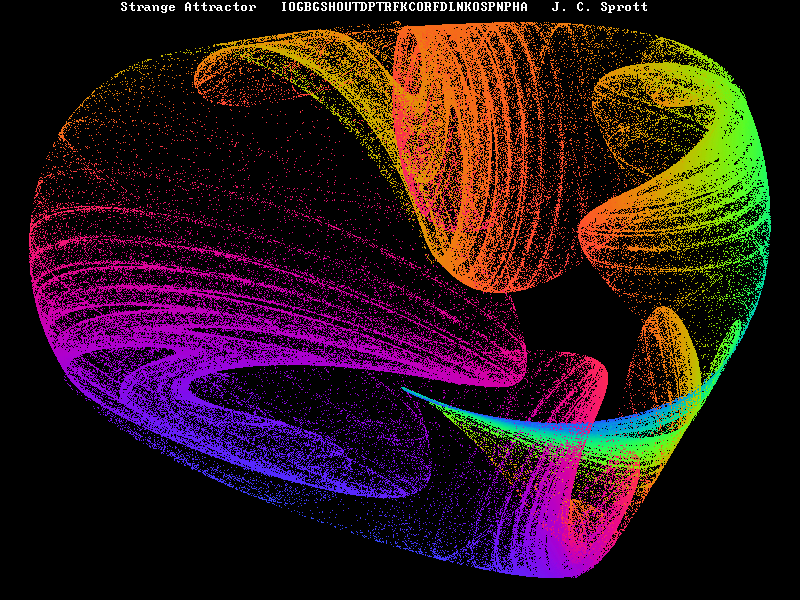
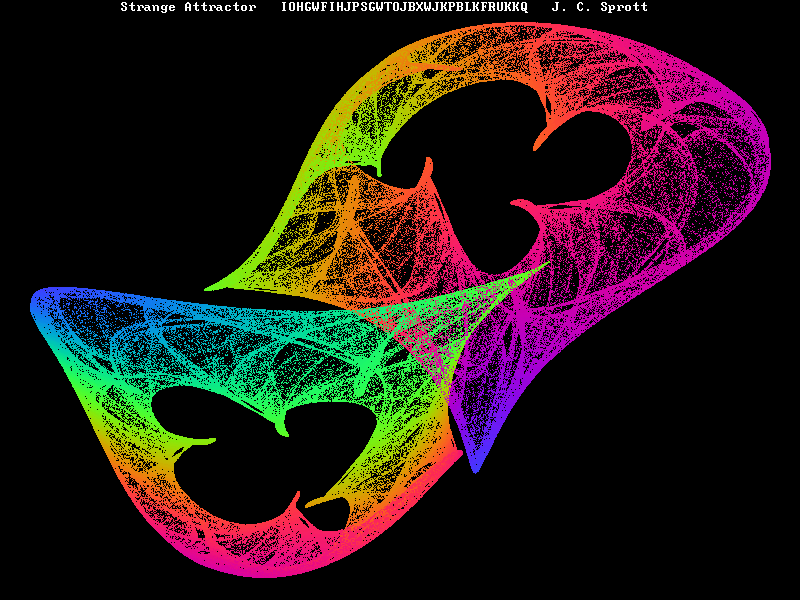
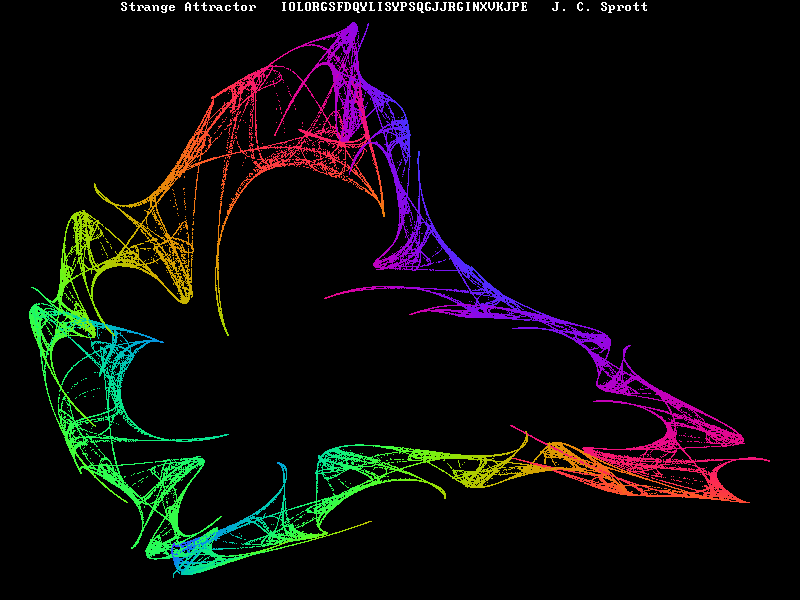
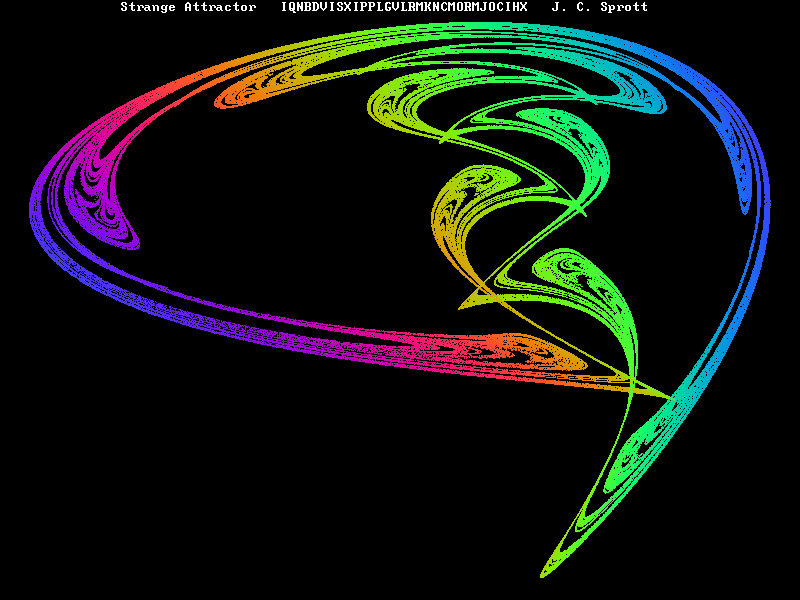
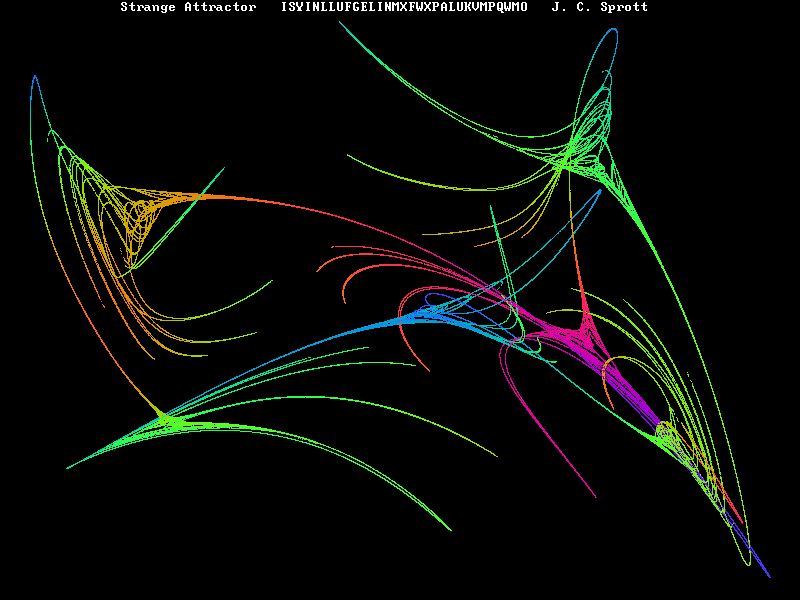
The following 3-dimensional strange
attractors are mostly from the book Strange
Attractors: Creating Patterns in Chaos by Julien C. Sprott but are here rendered in
higher (800 x 600) resolution with the third dimension mapped to a
palette of 256 colors. Additional such cases can be produced
automatically by the program sa256.exe that searches for
chaotic solutions of a general system of quadratic maps with 30
coefficients.
![[af206d1a]](fractals/af206d1a.gif) |
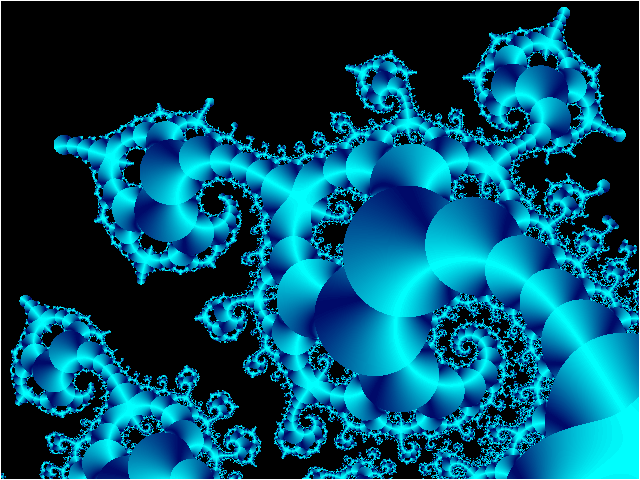
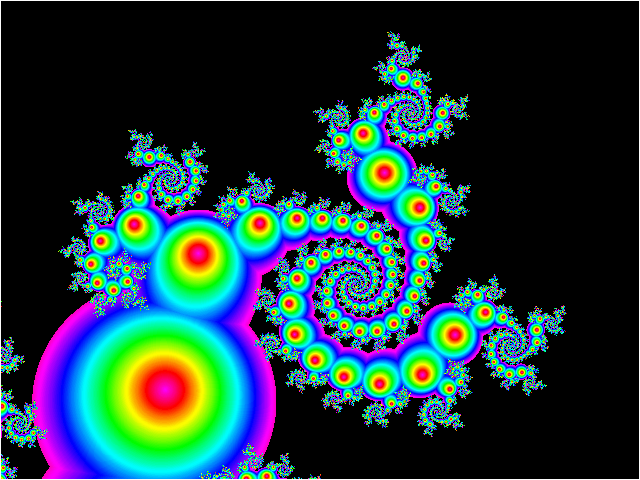
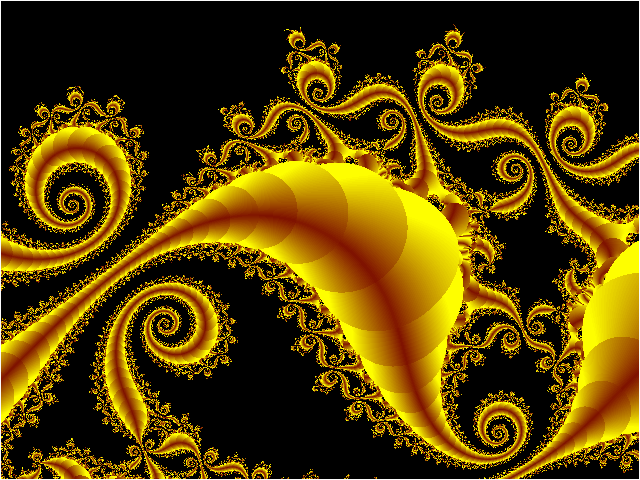
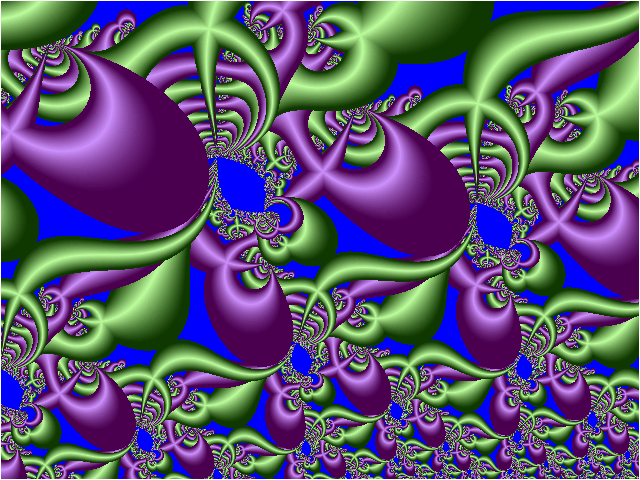
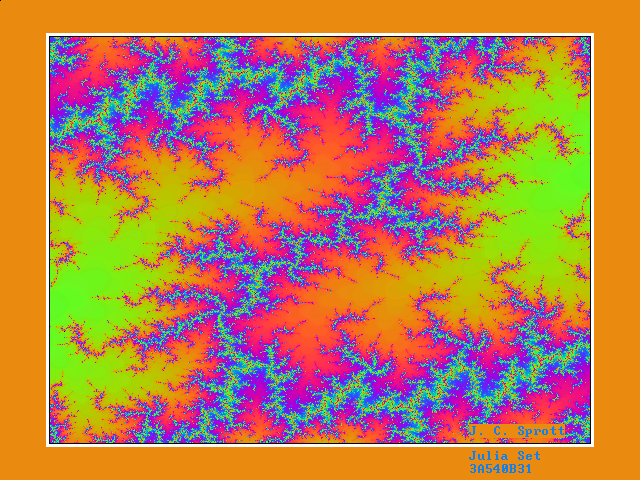
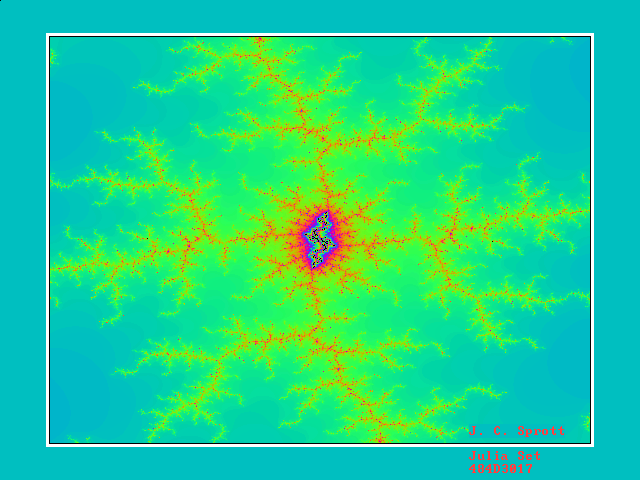
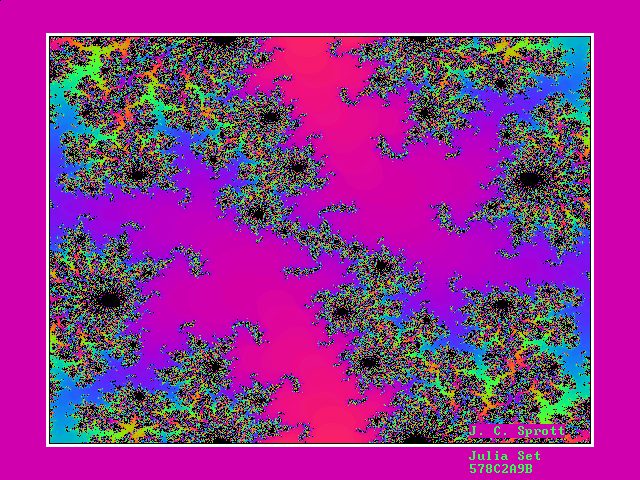
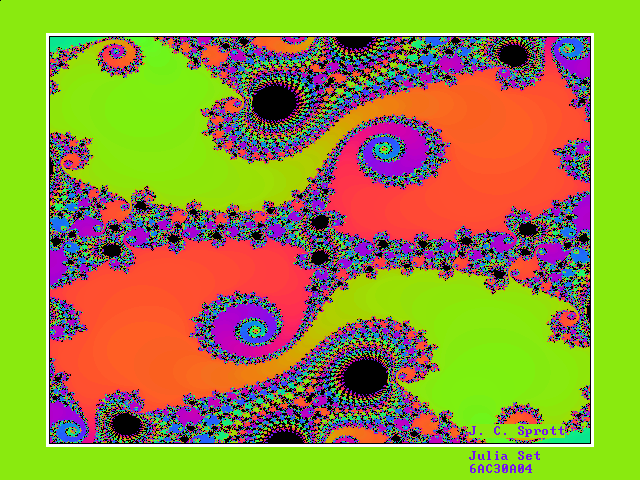
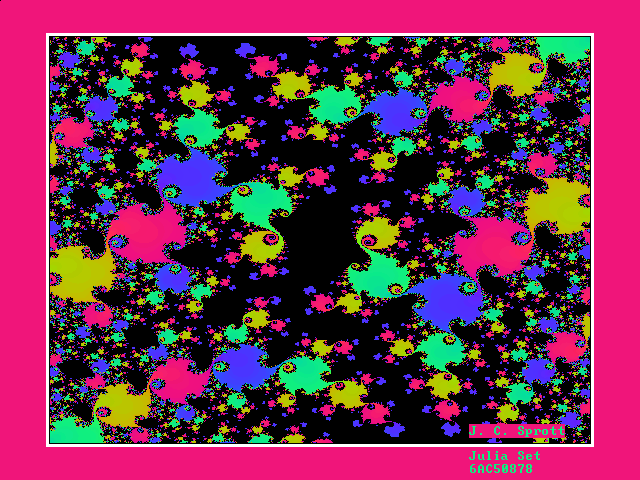
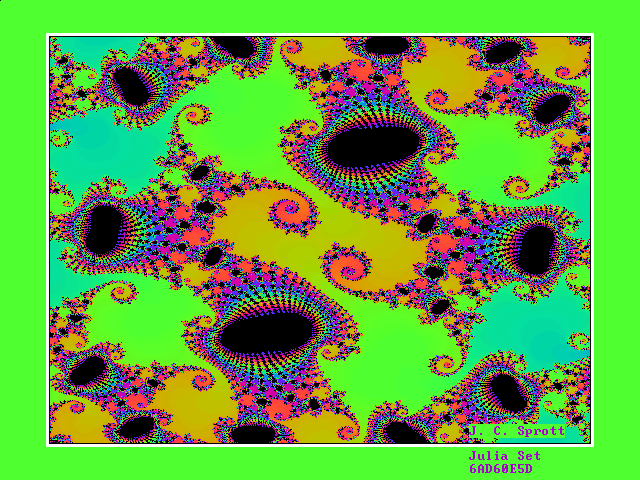
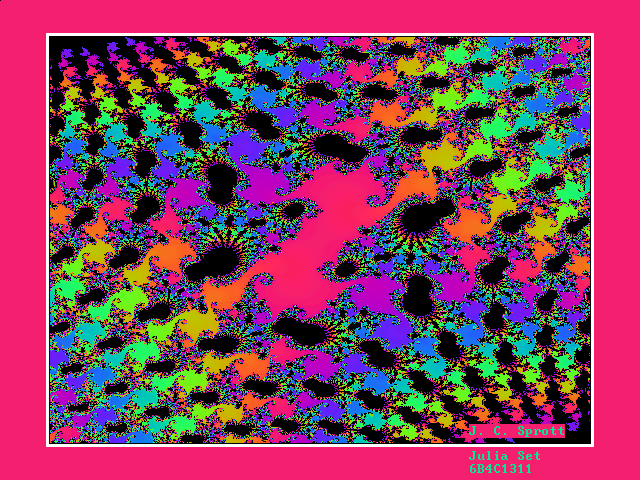
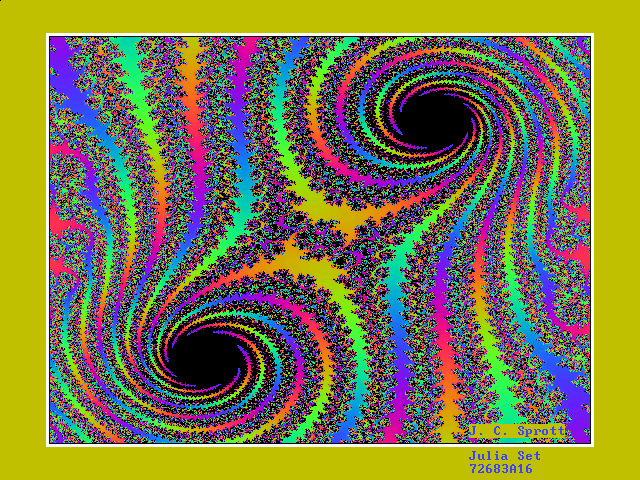
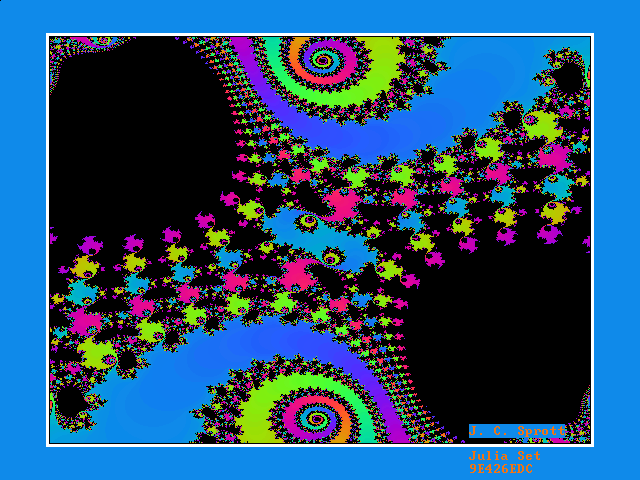
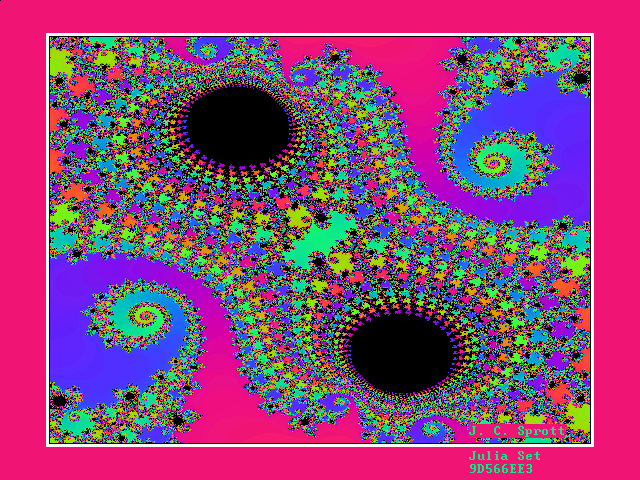
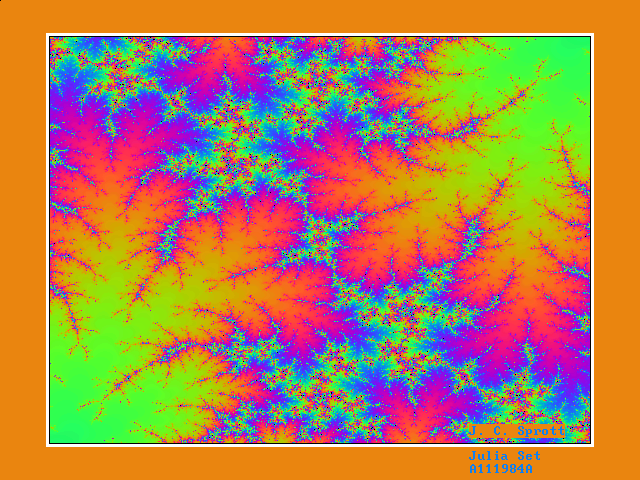
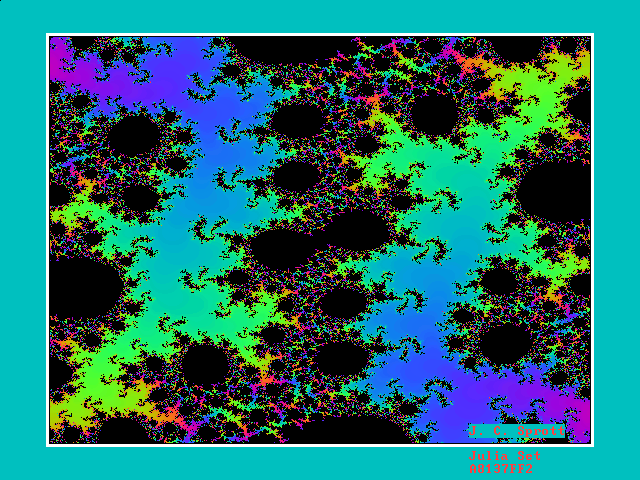
The following fractals are standard Julia
sets of the function z^2 + c. They were produced
automatically by the program julia256.exe by J. C. Sprott that searches the complex-c
plane for interesting cases. The names consist of two four-digit
hexadecimal numbers p and q such that c is
given by c = -2 + p / 21845 + i q / 43691.
The plots cover the range z = (-0.02, 0.02) + (-0.02,
0.02) i.
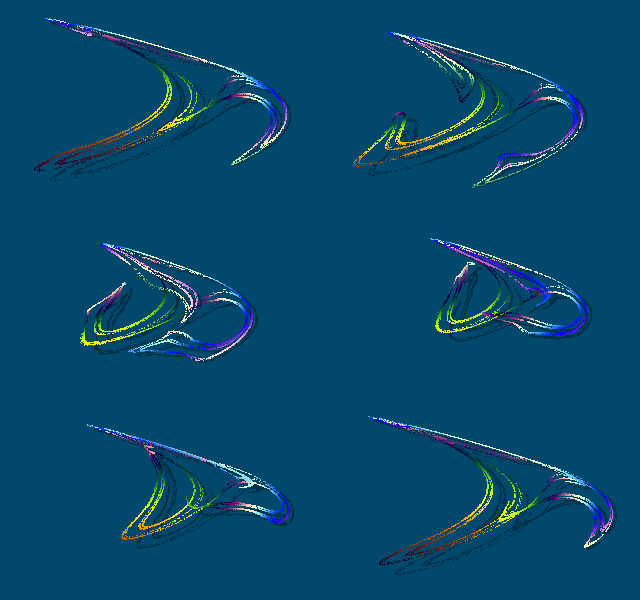
![[eparxhhp]](fractals/eparxhhp.gif) |
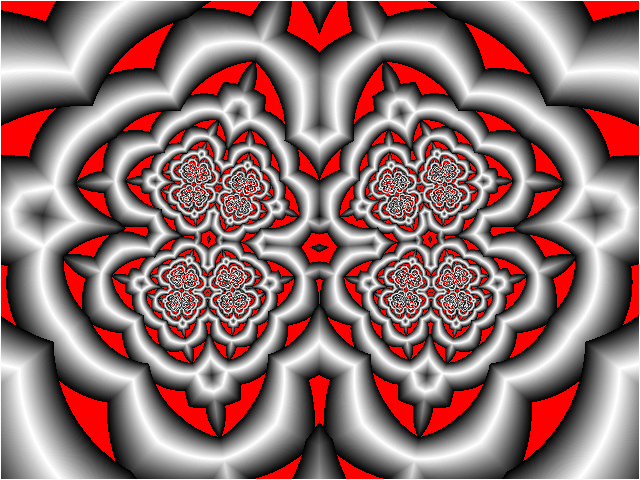
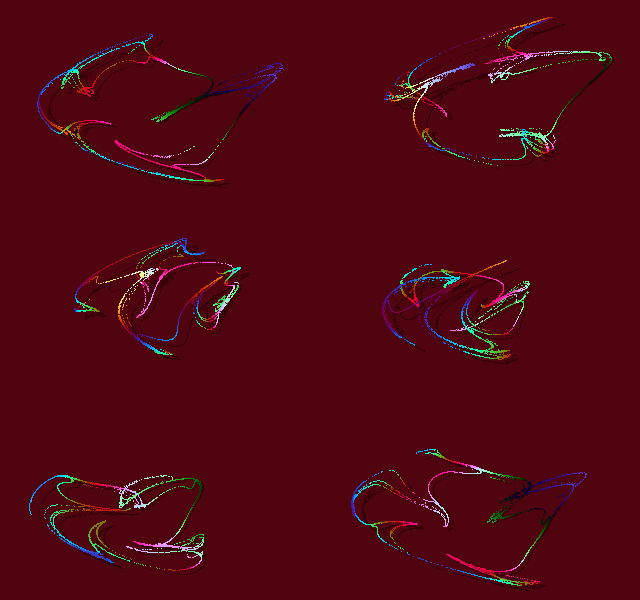
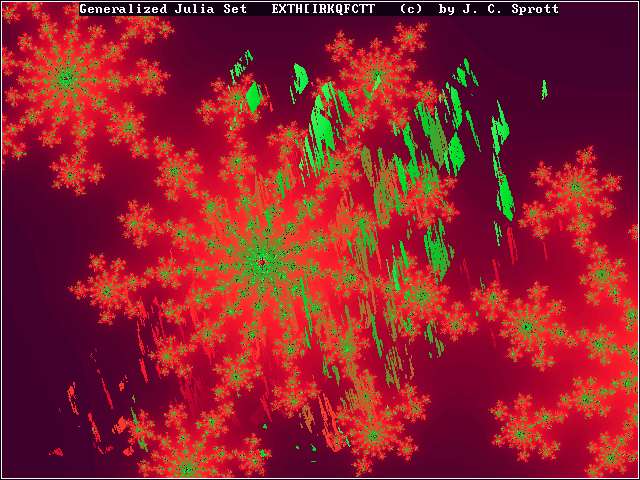
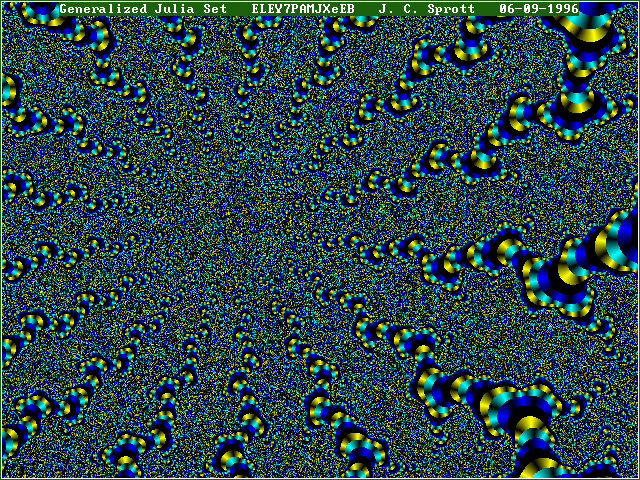
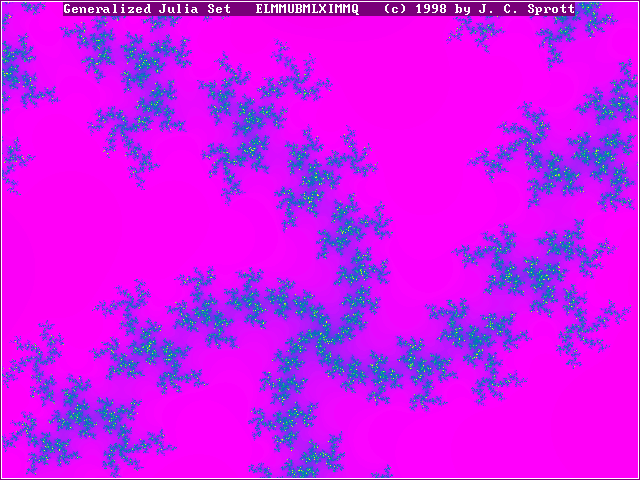
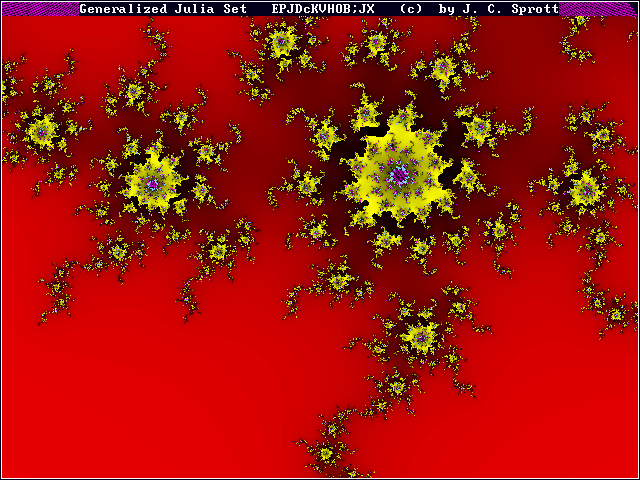
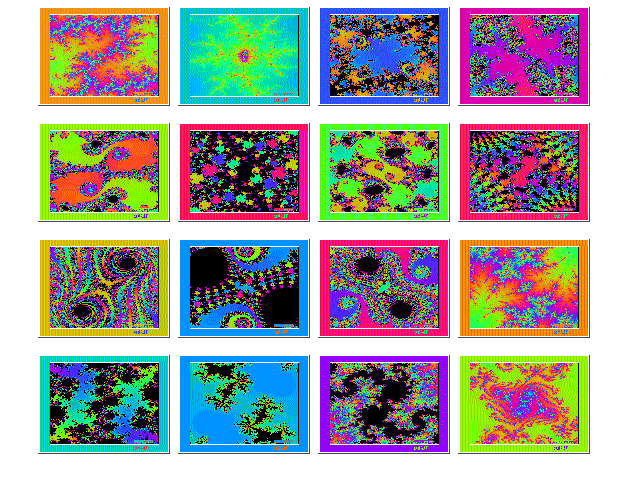
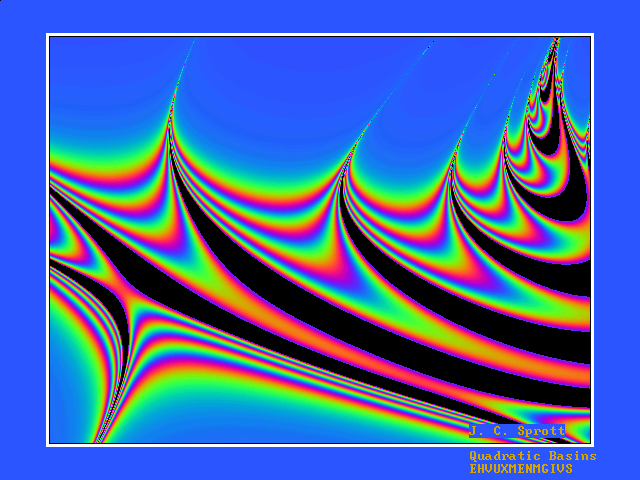
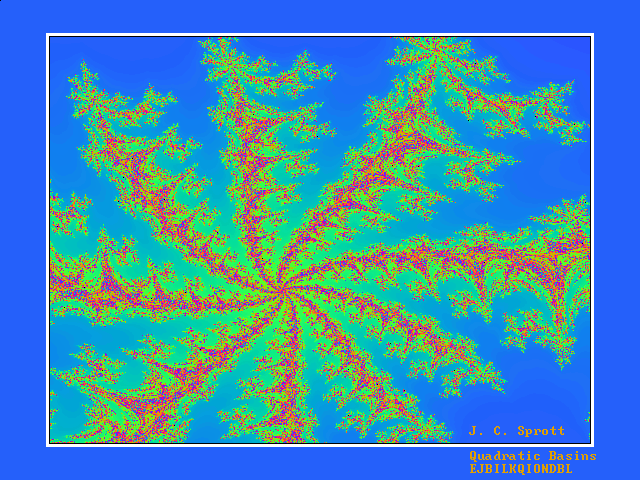
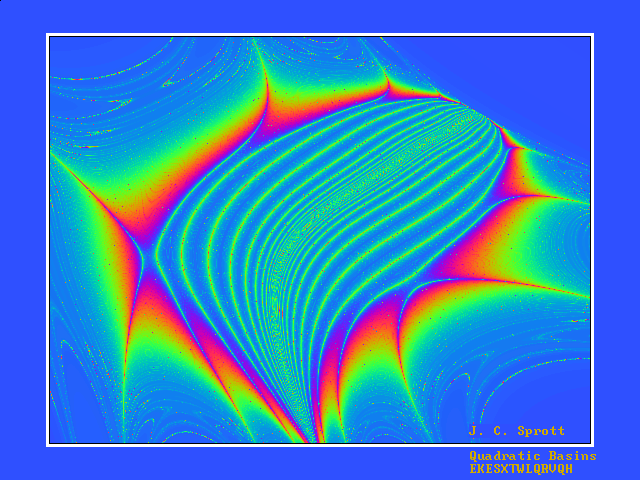
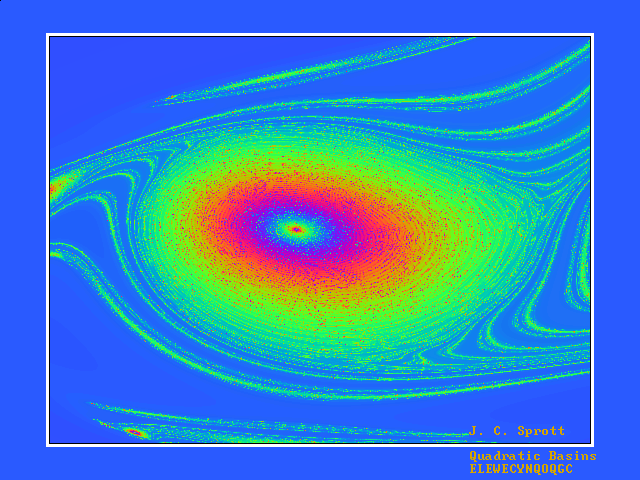
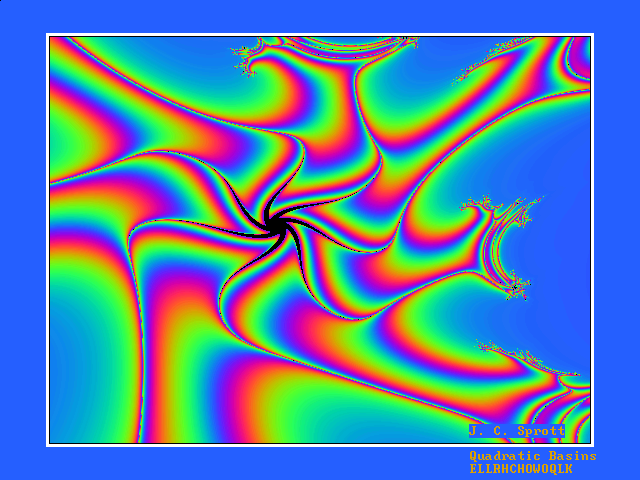
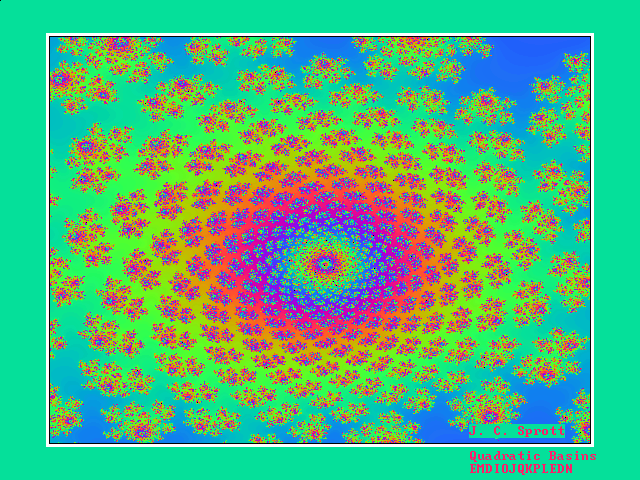
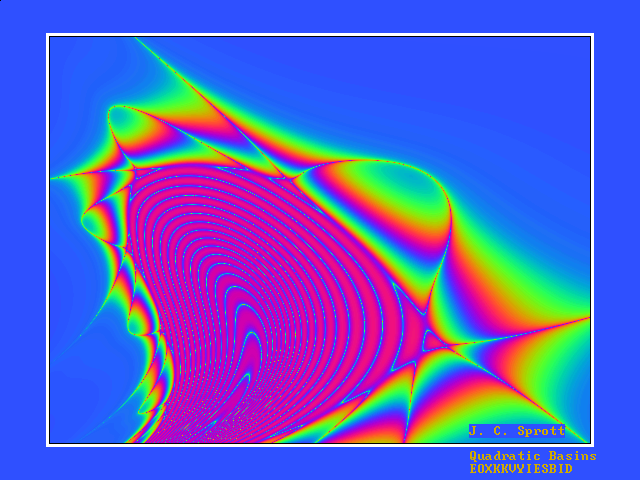
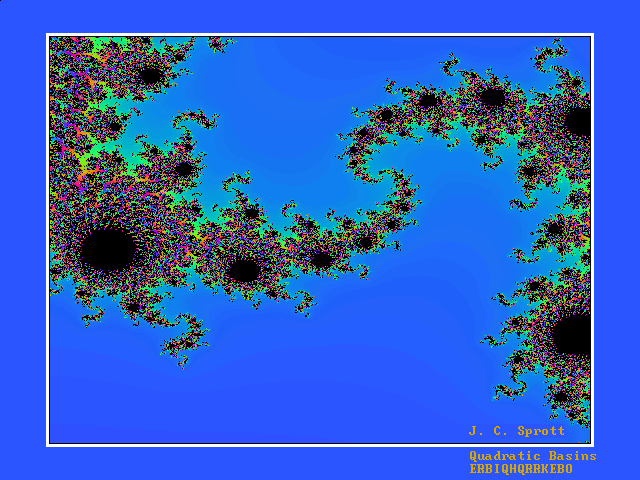
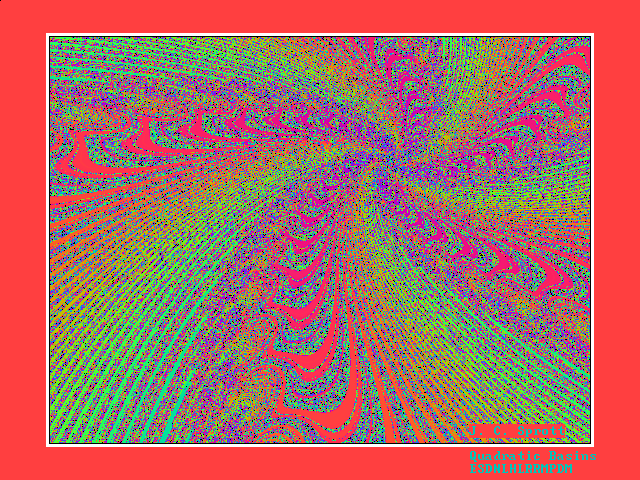
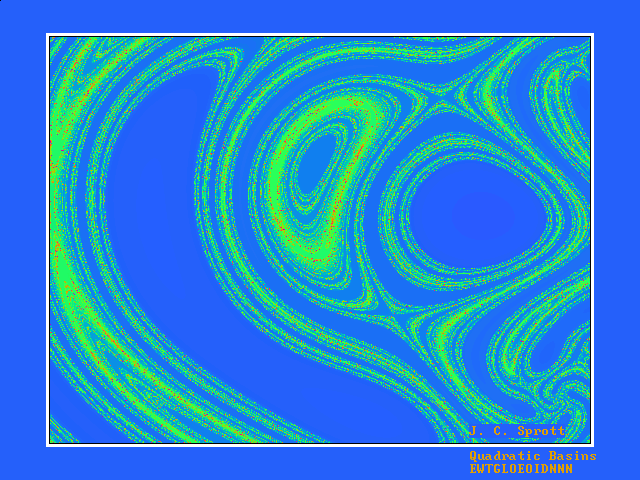
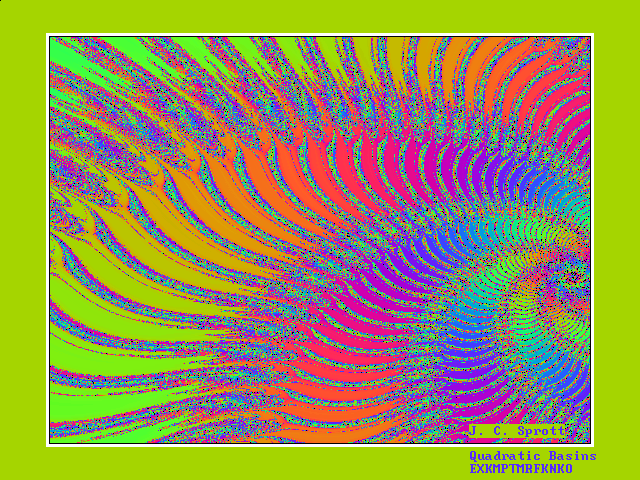
The following fractals are generalized
Julia sets of 2-D quadratic maps with twelve coefficients. They
were produced automatically by the program
genjulia.exe by J. C. Sprott that searches the
12-dimensional space of coefficients for interesting cases. The
technique is described in a paper "Automatic
Generation of General Quadratic Map Basins" by J. C. Sprott and C. A. Pickover. The coefficients
are coded into the names according to a scheme described in the
book Strange Attractors: Creating Patterns in
Chaos. The plots cover the range -1 < x
< 1 and -1 < y < 1. A few additional images of this type
produced with the program Fractal eXtreme by Cygnus
Software are available.
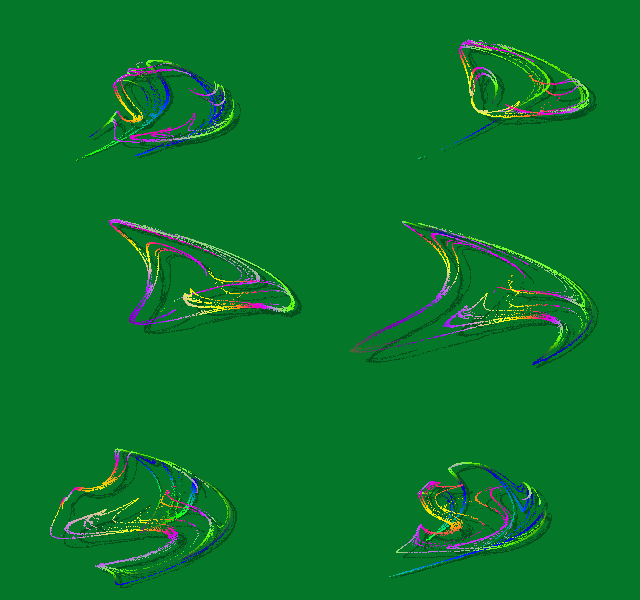
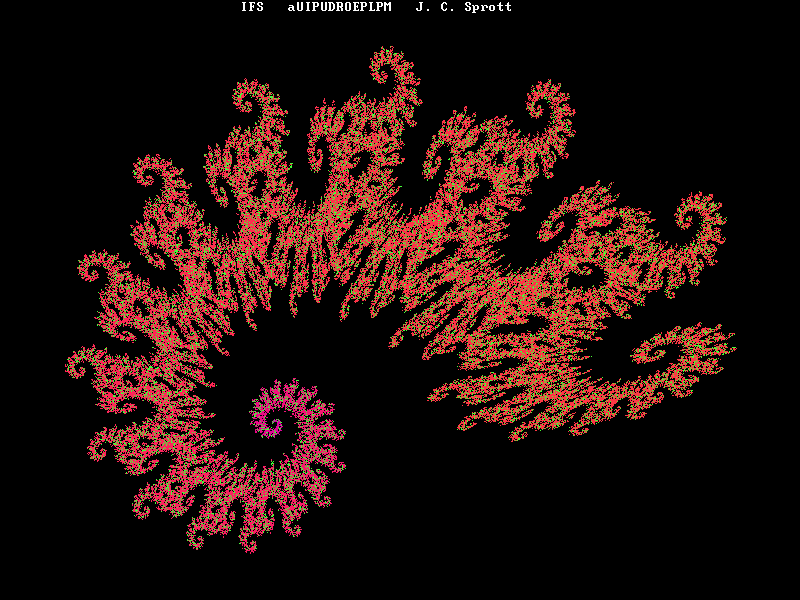
![[arigiedm]](fractals/arigiedm.gif) |
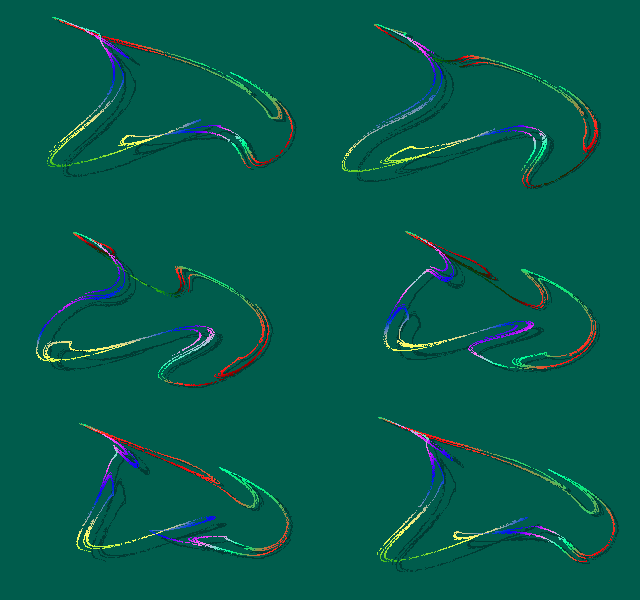
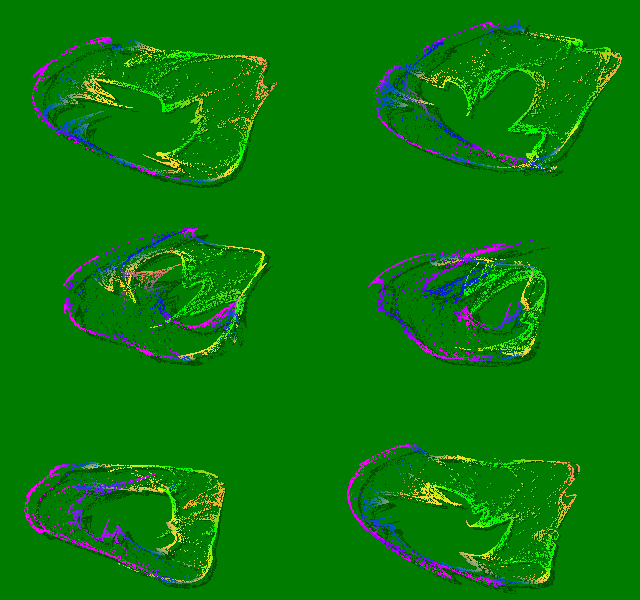
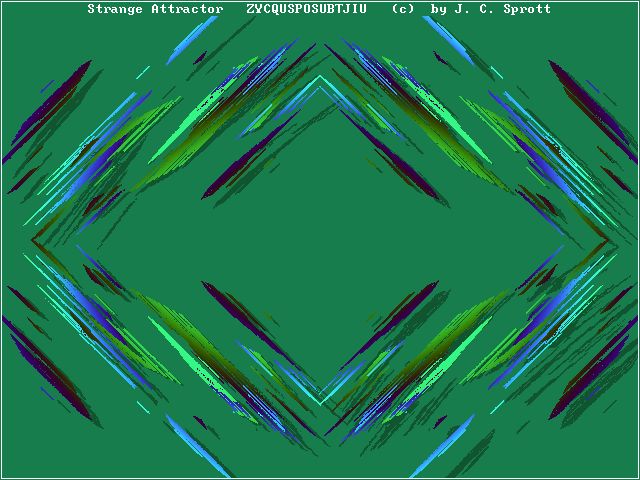
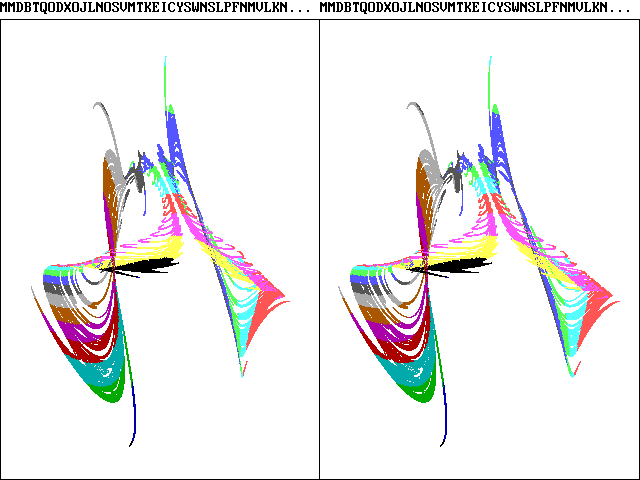
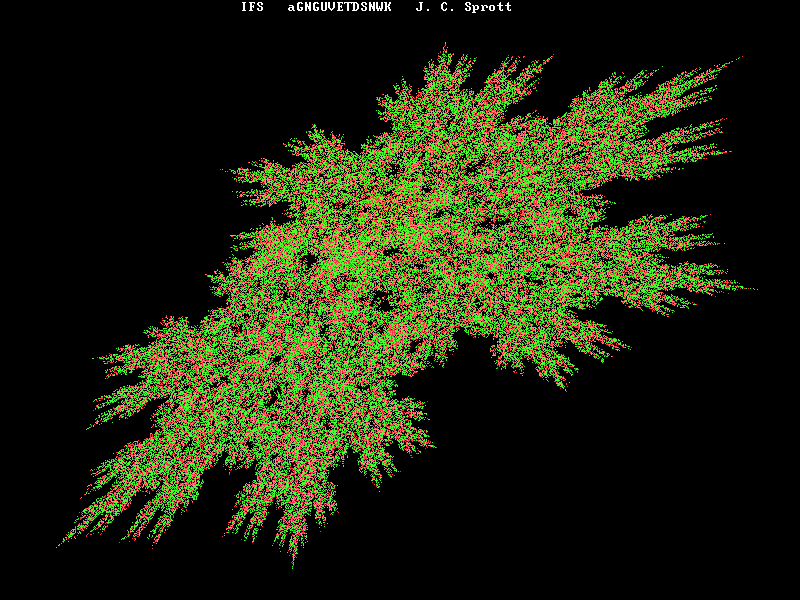
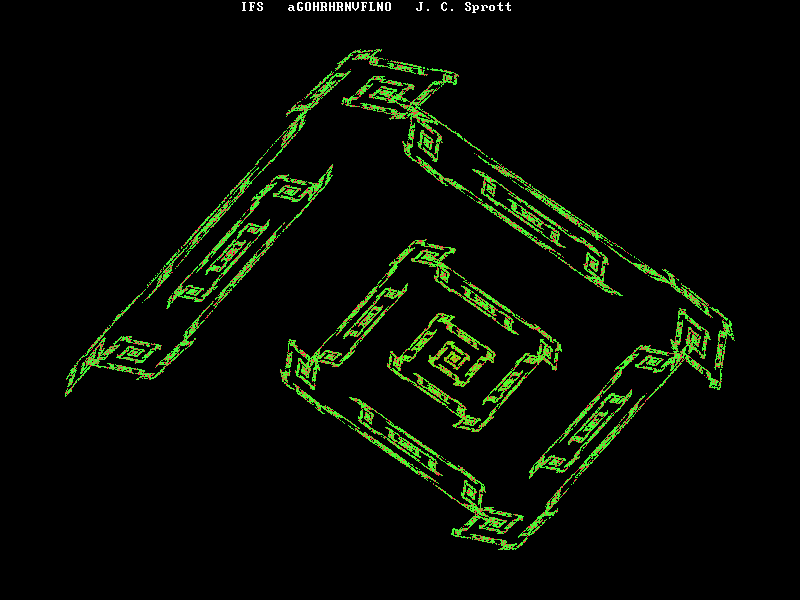
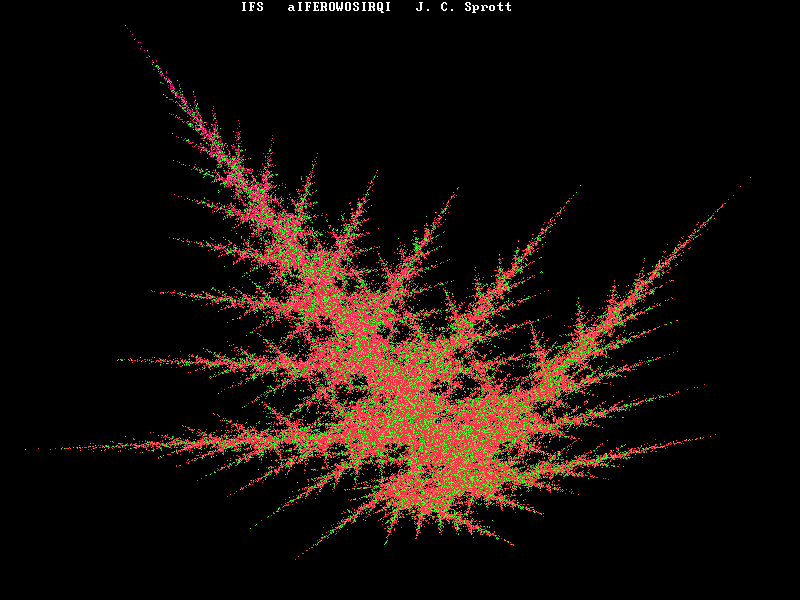
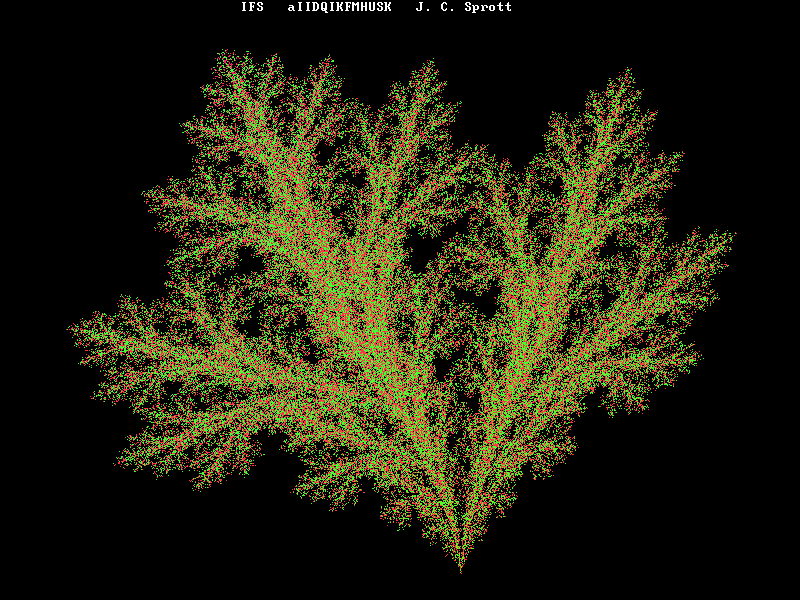
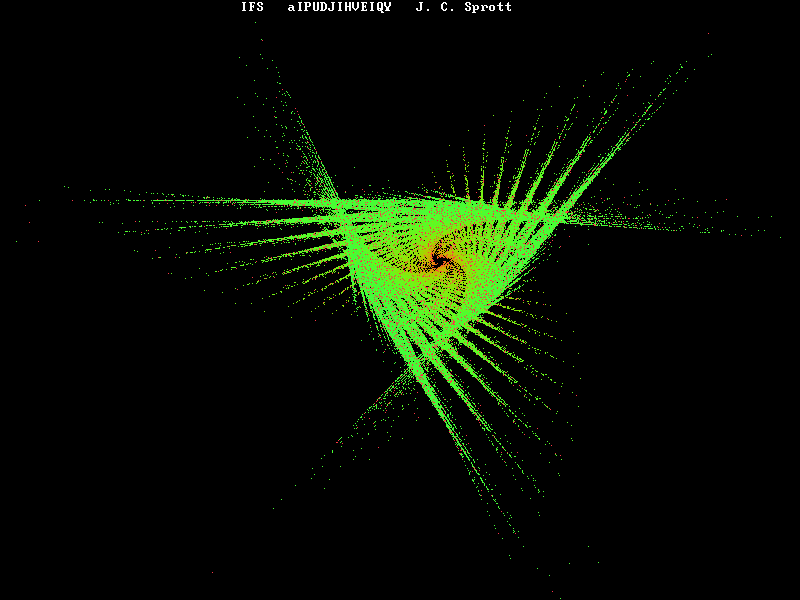
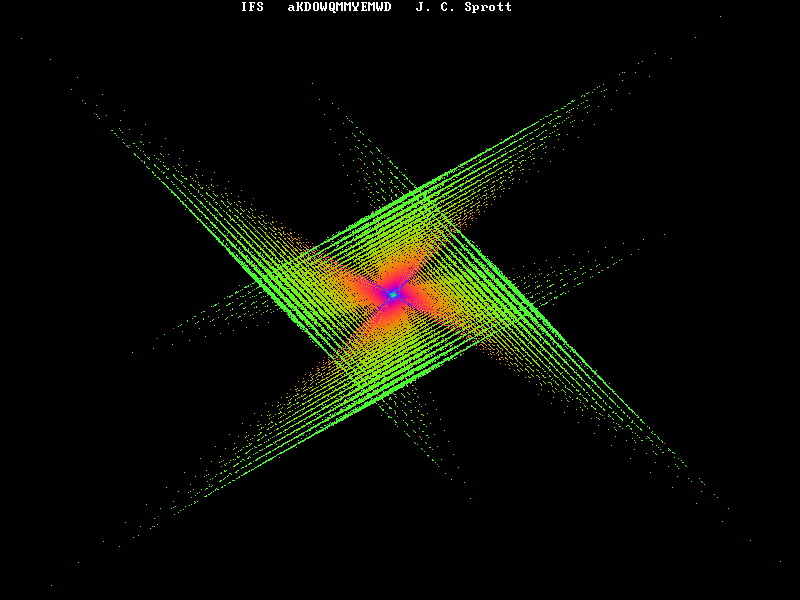
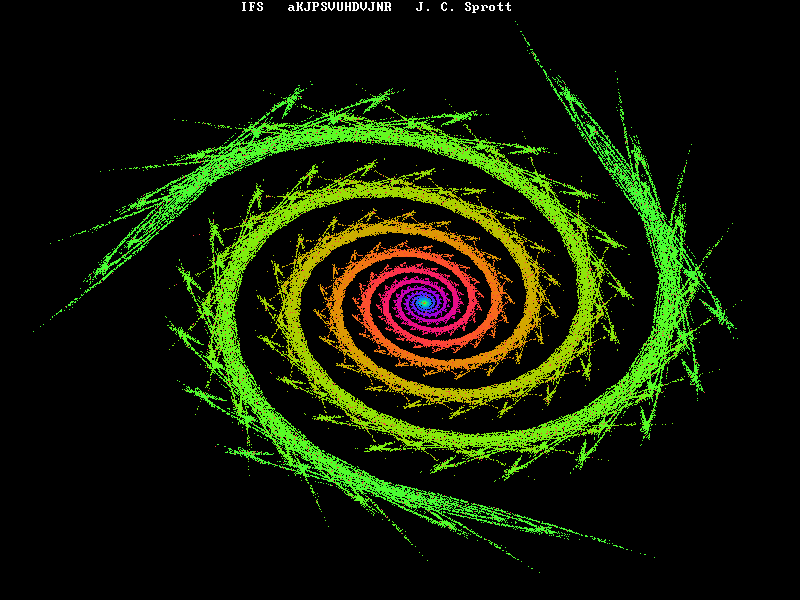
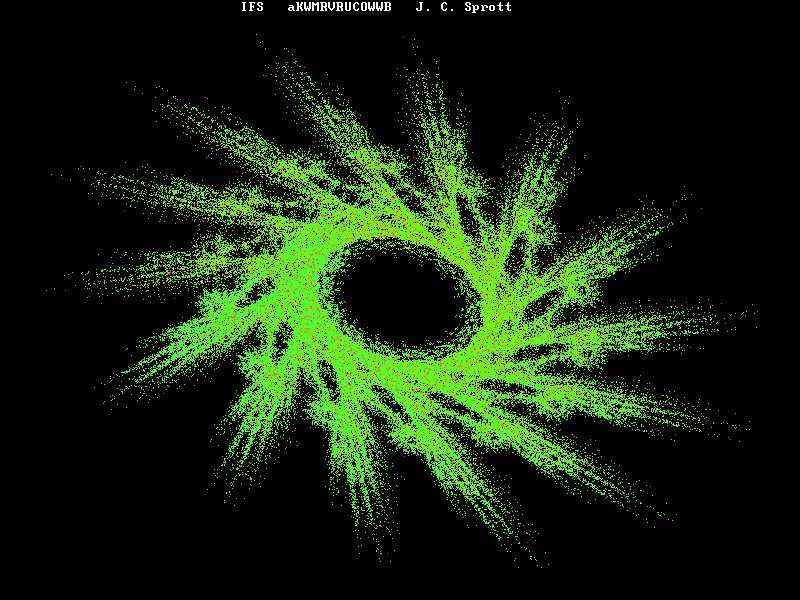
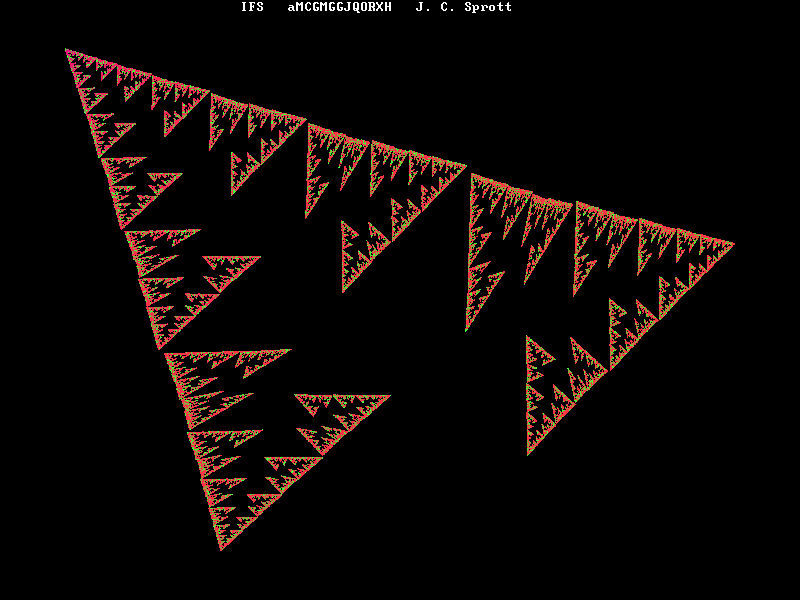
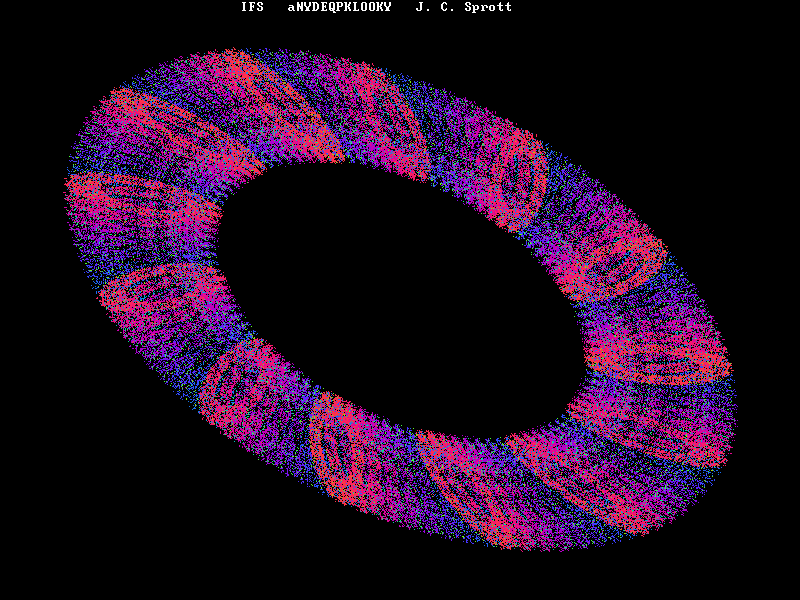
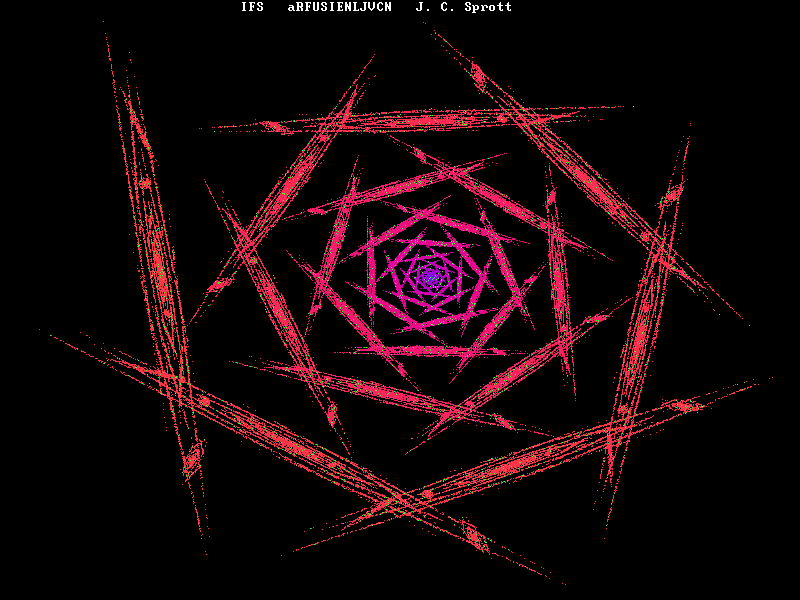
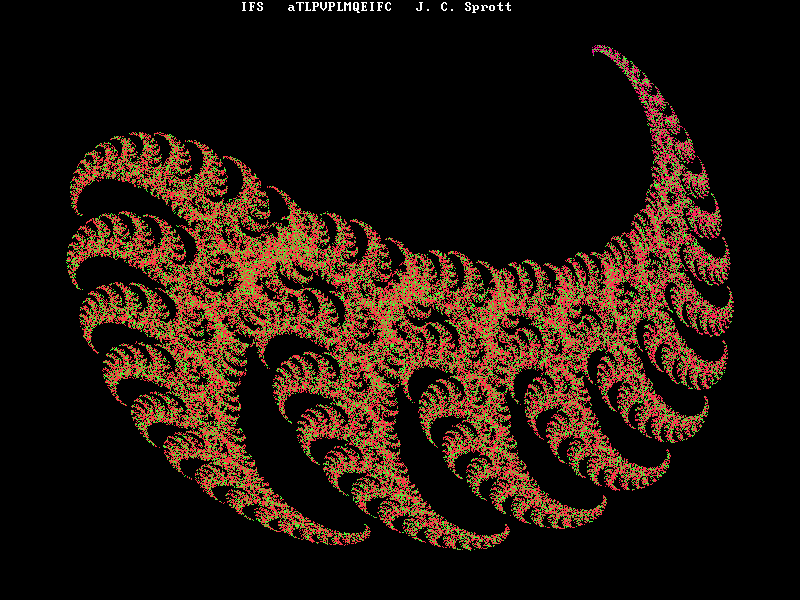
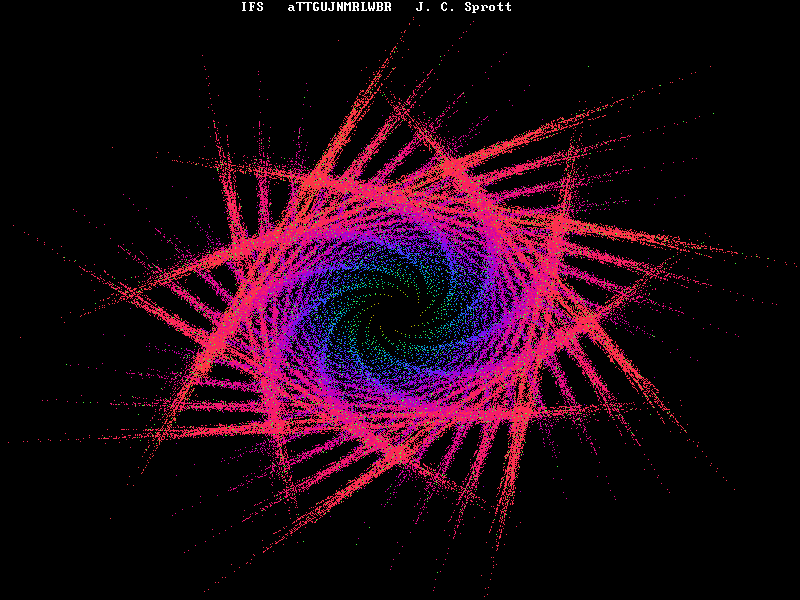
The following fractals are iterated
function systems generated by the random iteration algorithm using
two linear affine transformations. Color is introduced according
to the number of successive applications of each transform. They
were produced automatically by the program ifs256.exe by J. C. Sprott that searches the
12-dimensional space of coefficients for interesting cases. The
coefficients are coded into the names according to a scheme
described in the paper "Automatic
Generation of Iterated Function Systems".
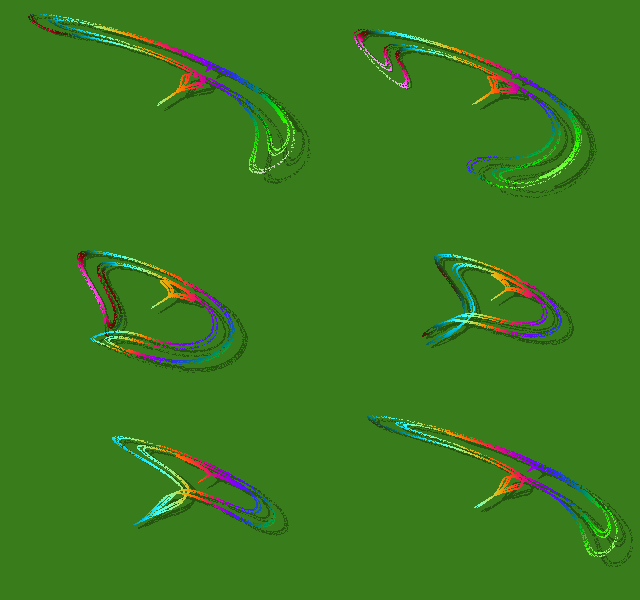
![[ofnacawl]](fractals/ofnacawl.gif) |
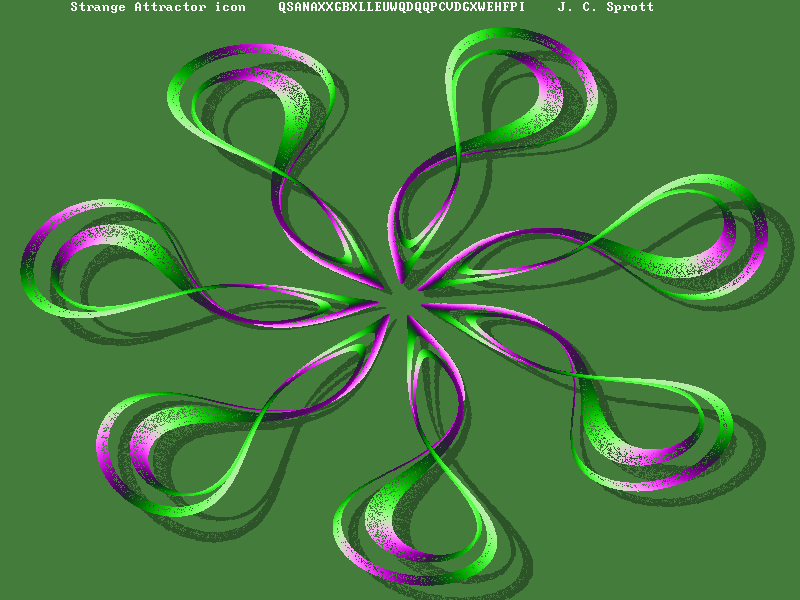
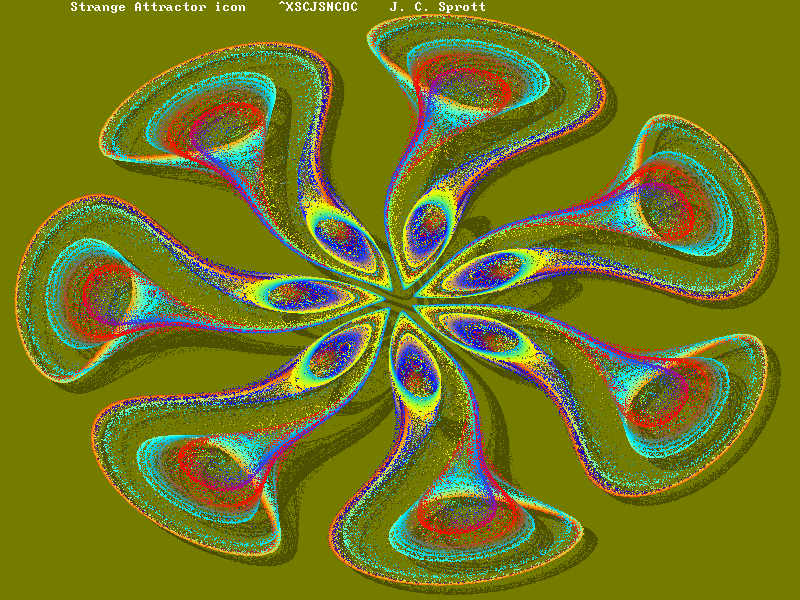
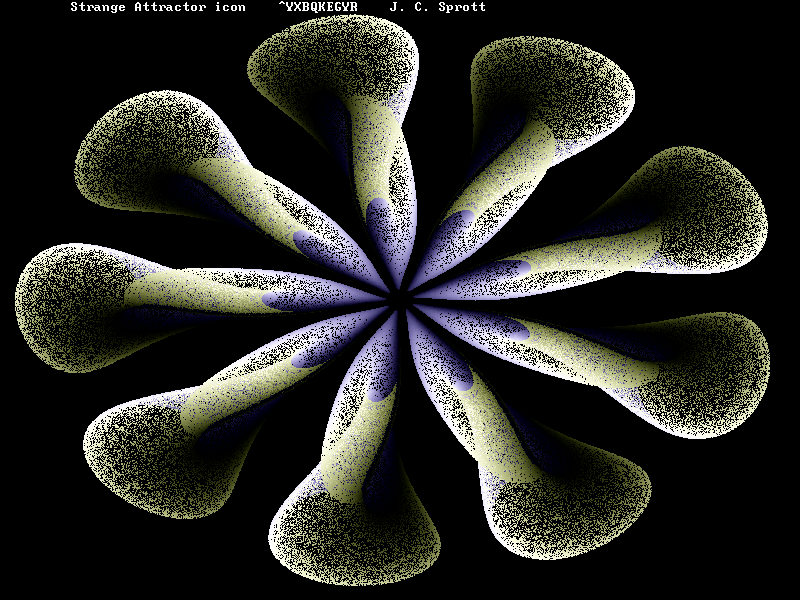
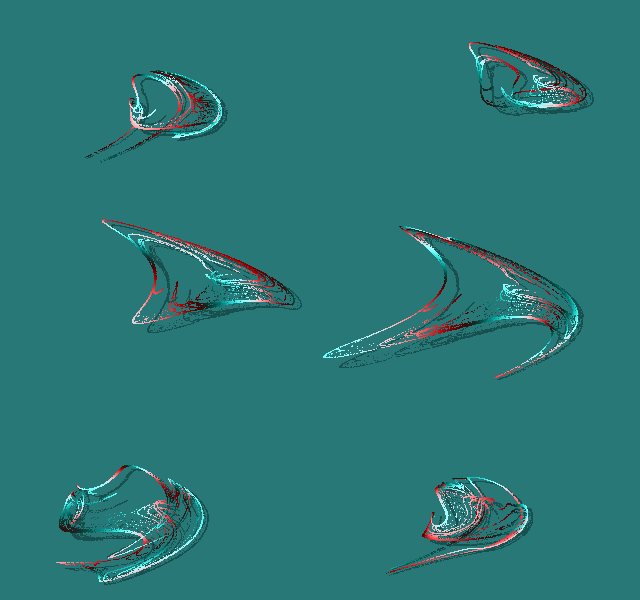
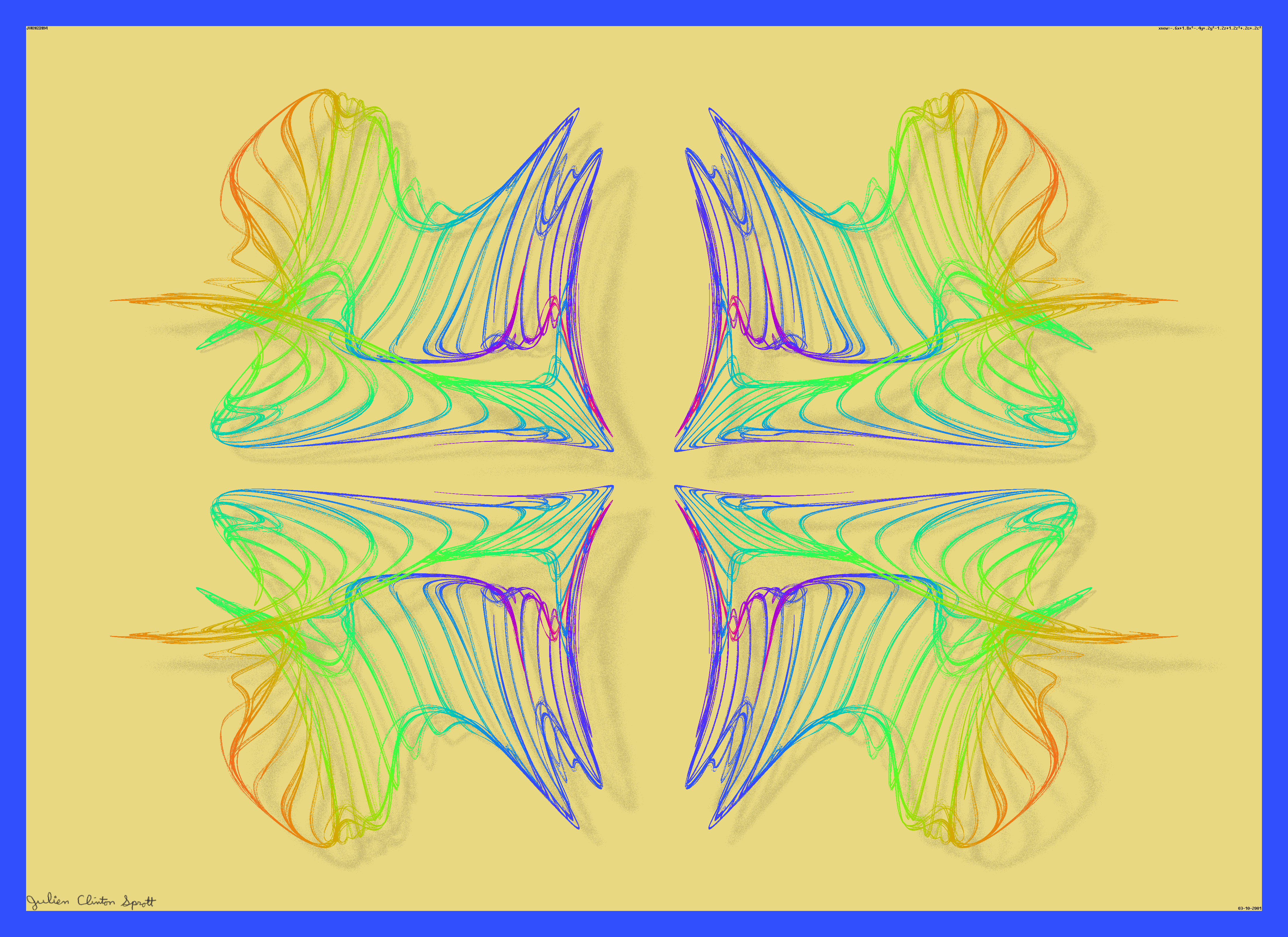
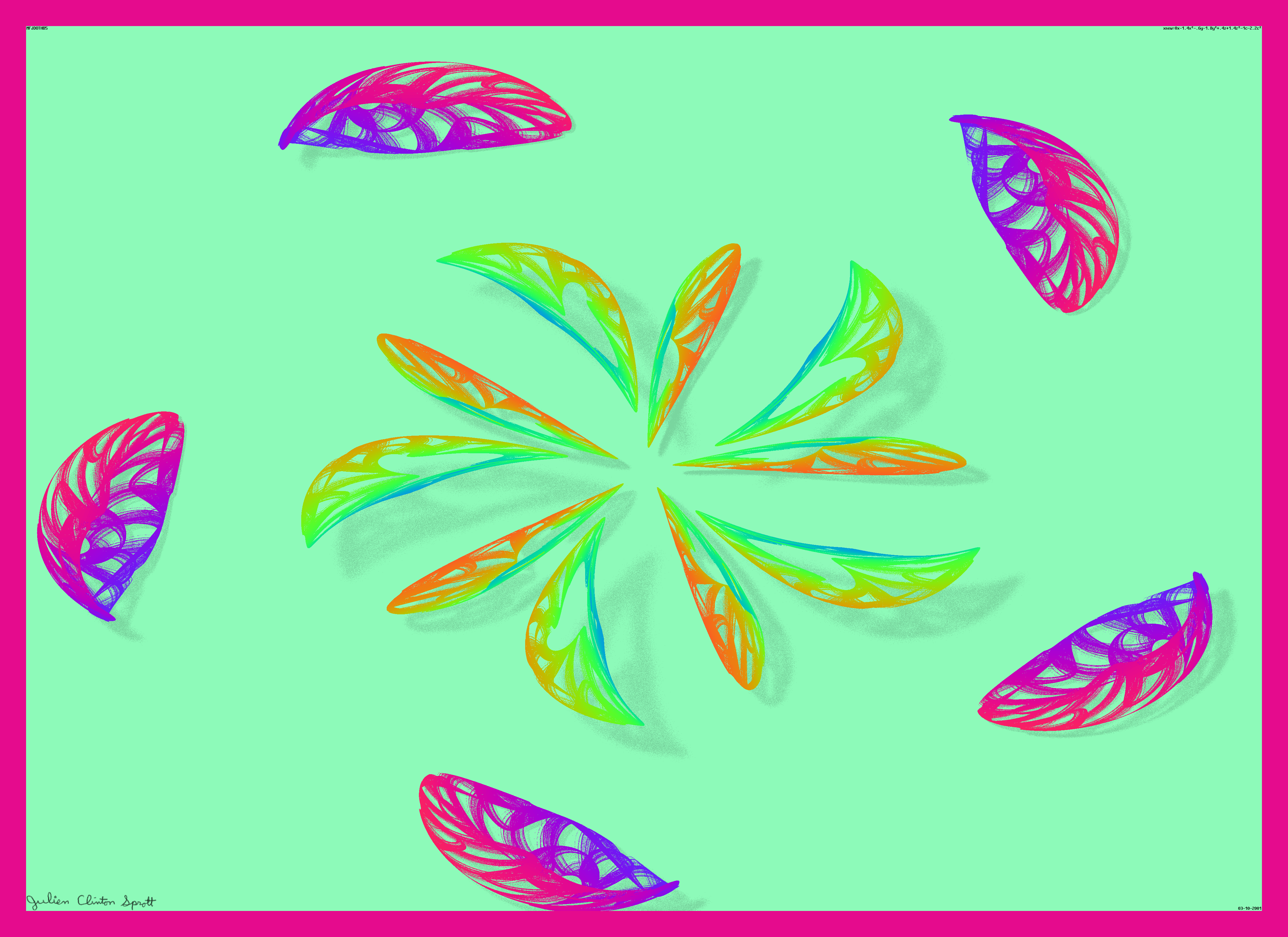
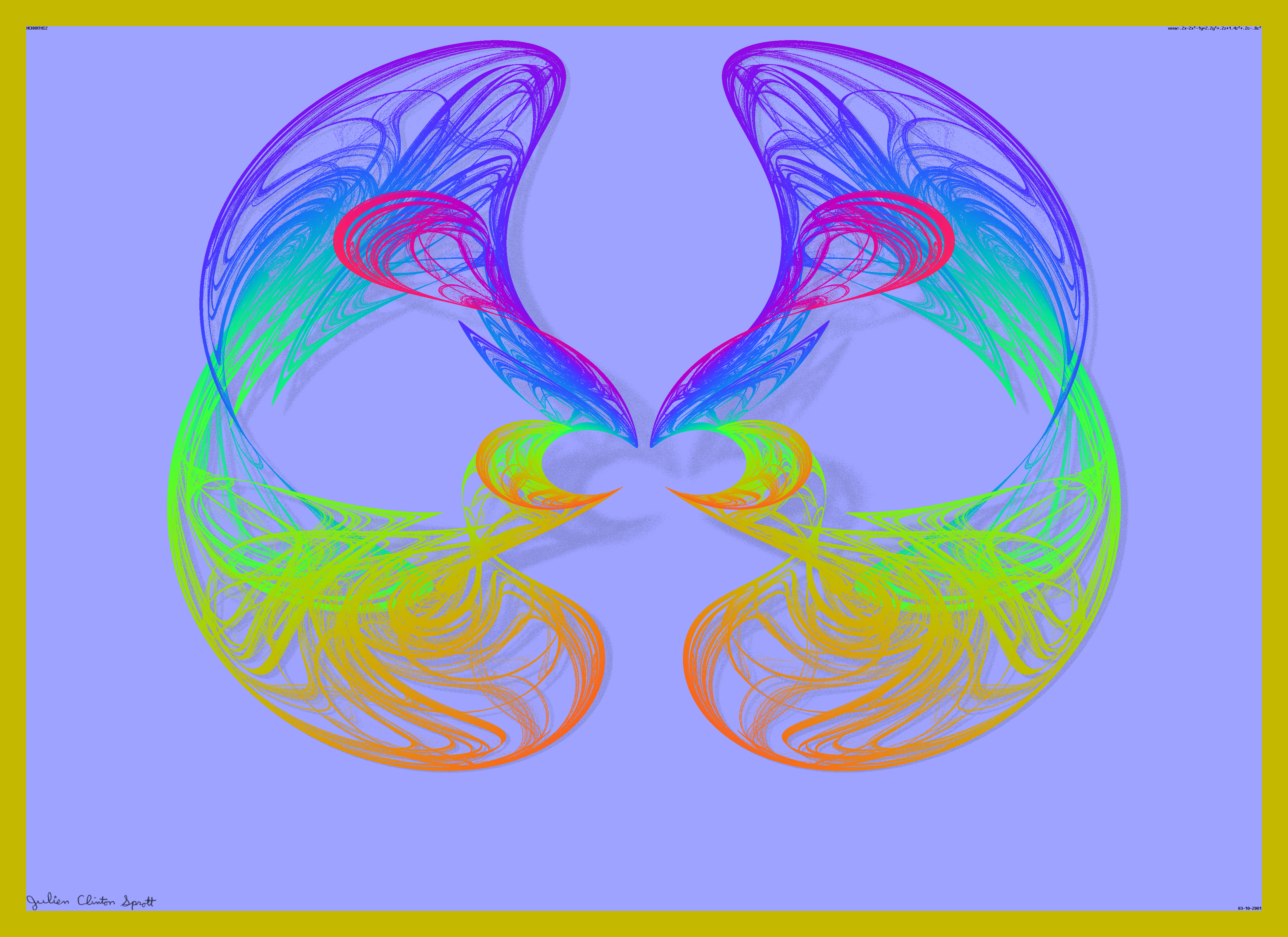
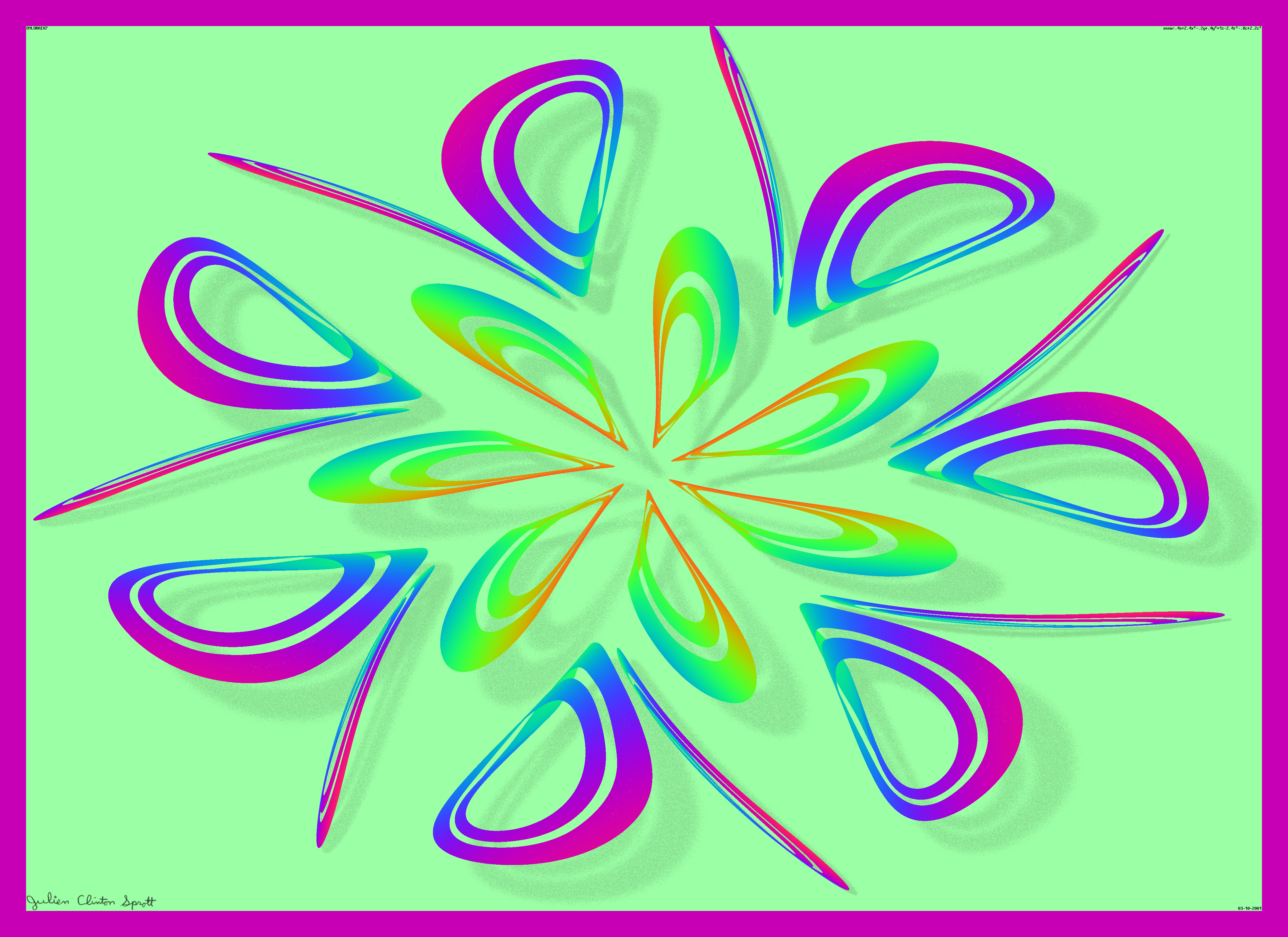
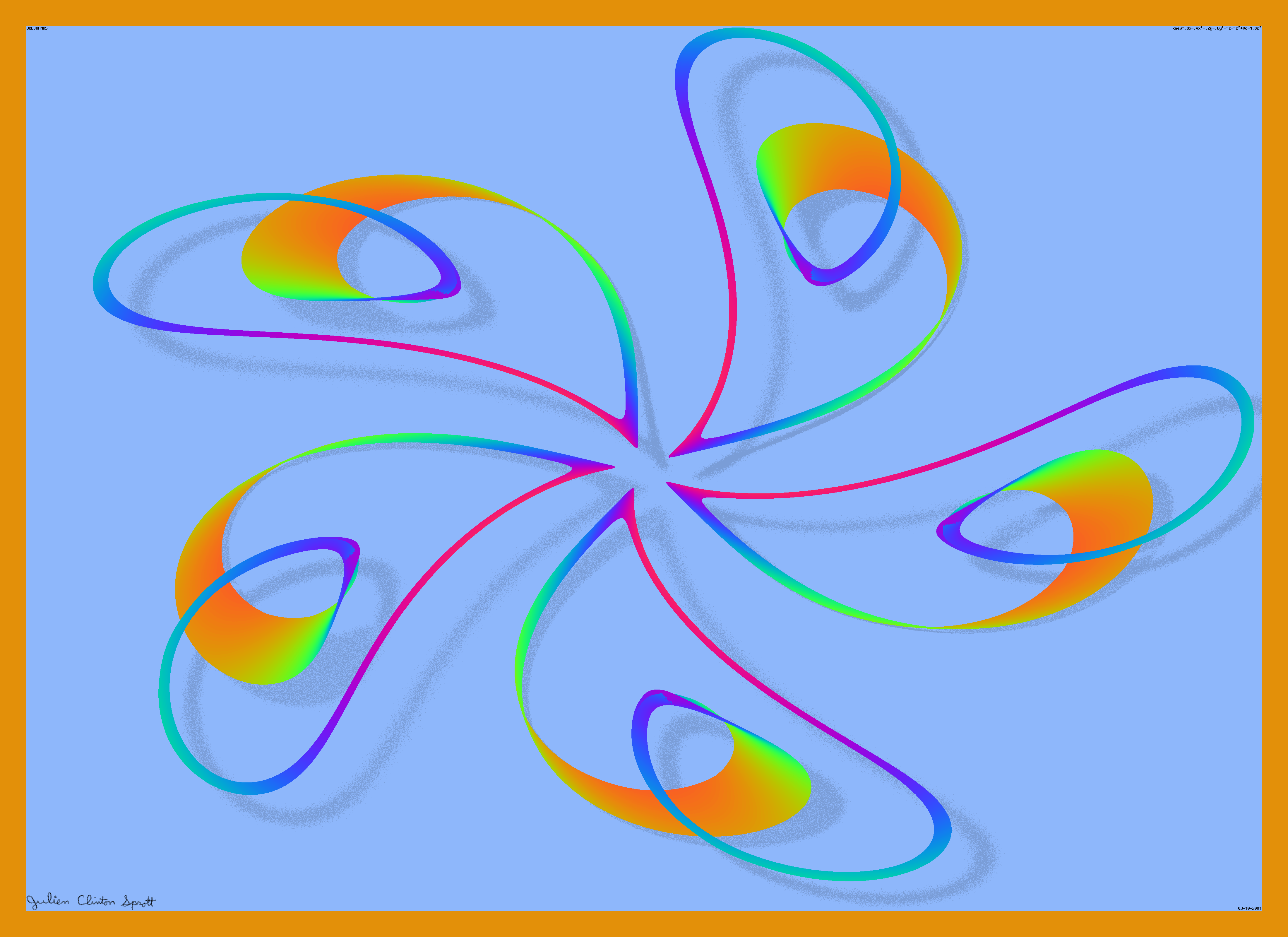
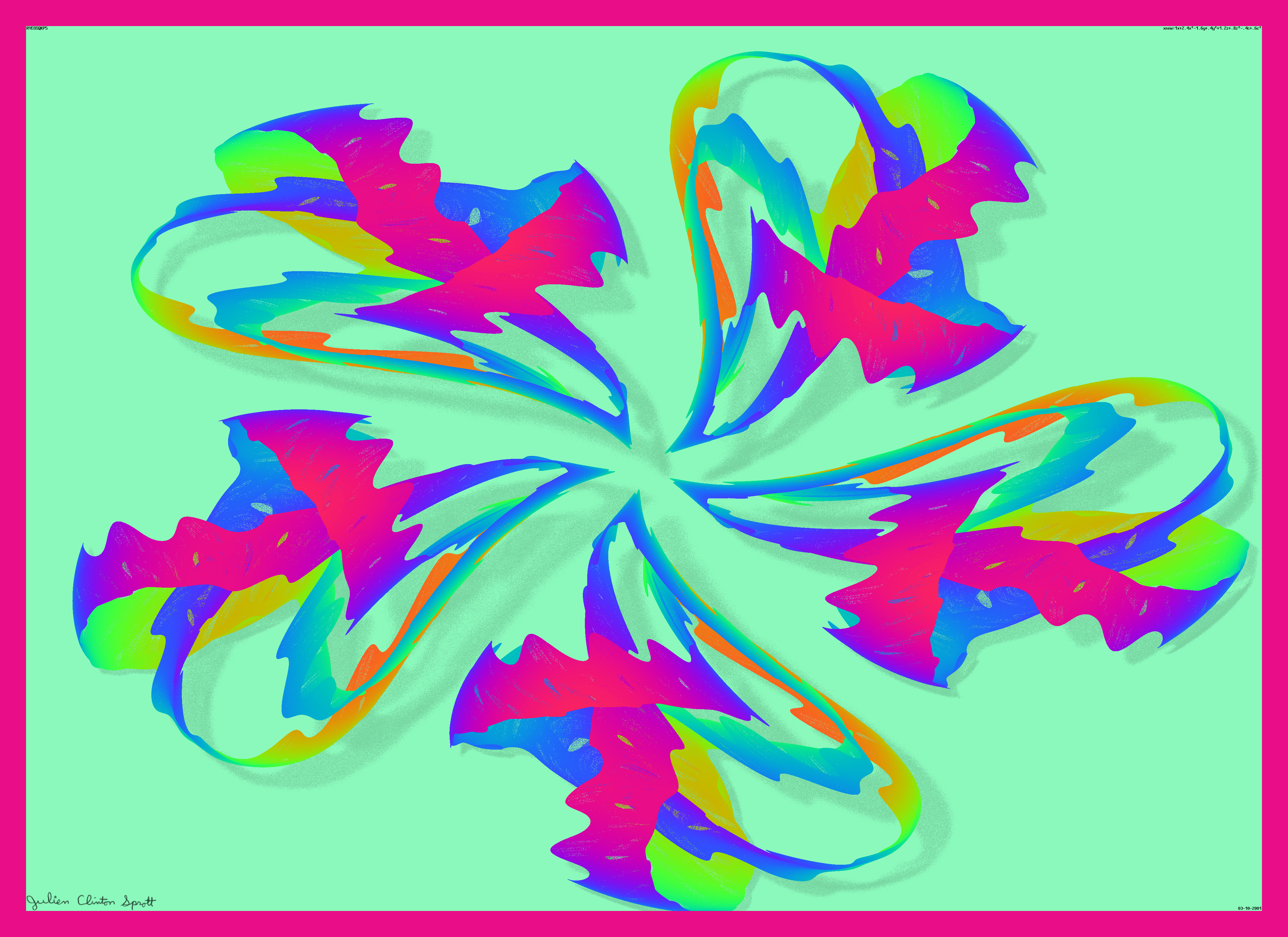
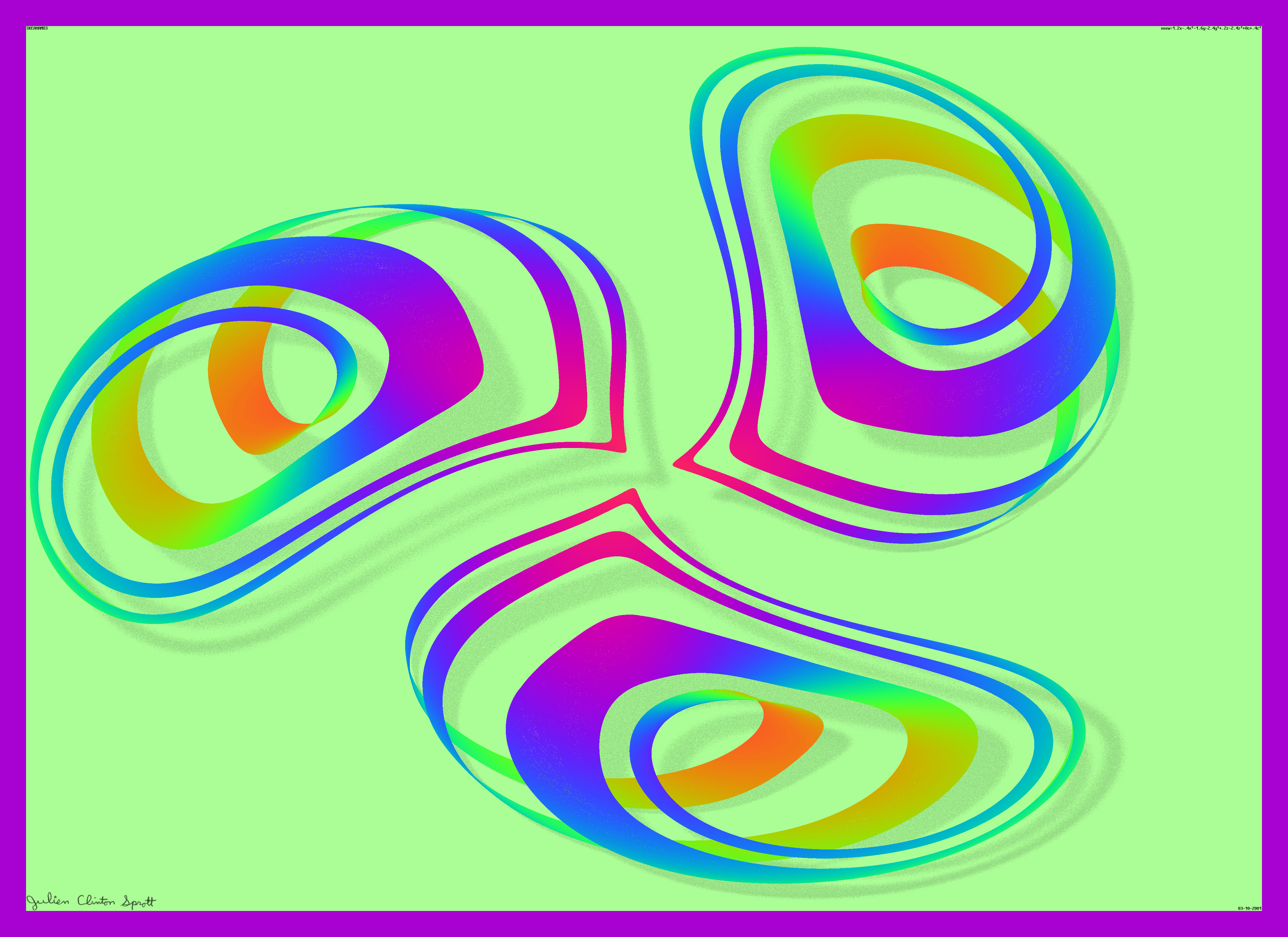
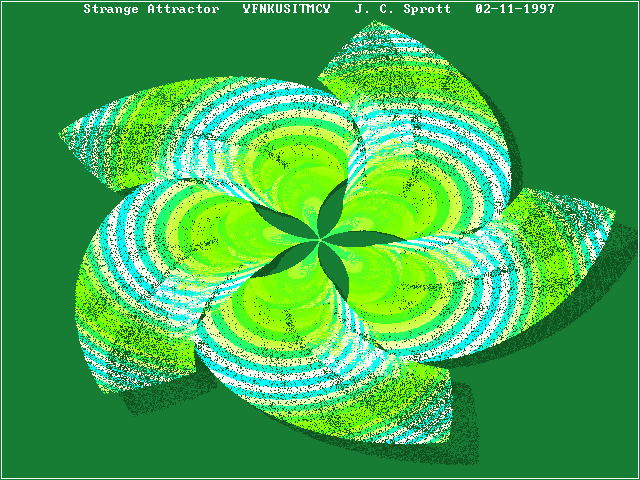
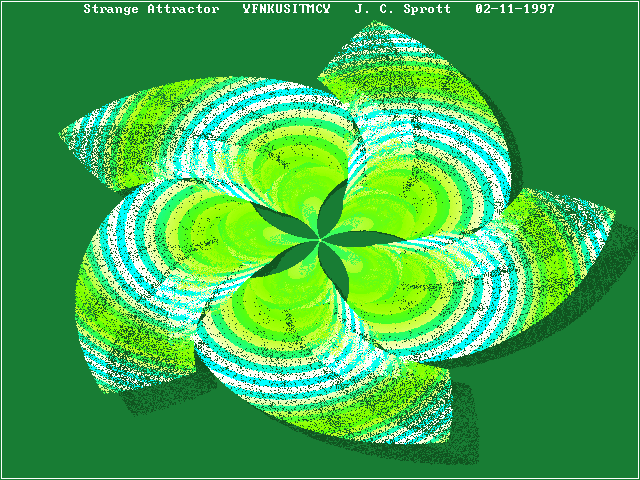
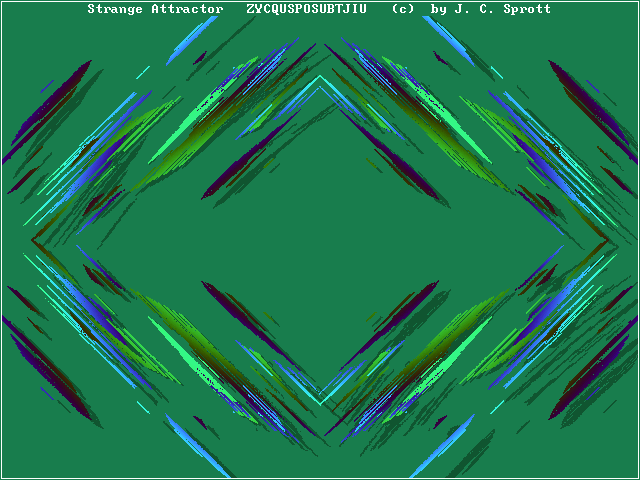
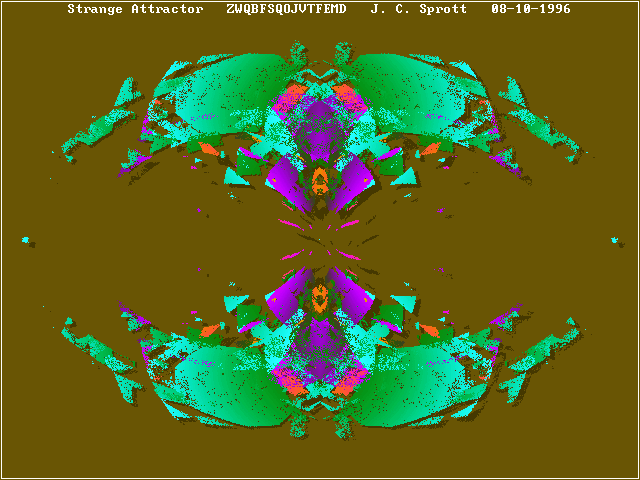
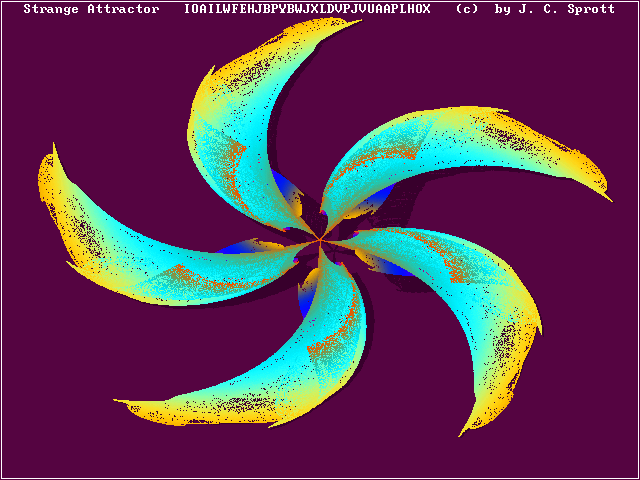
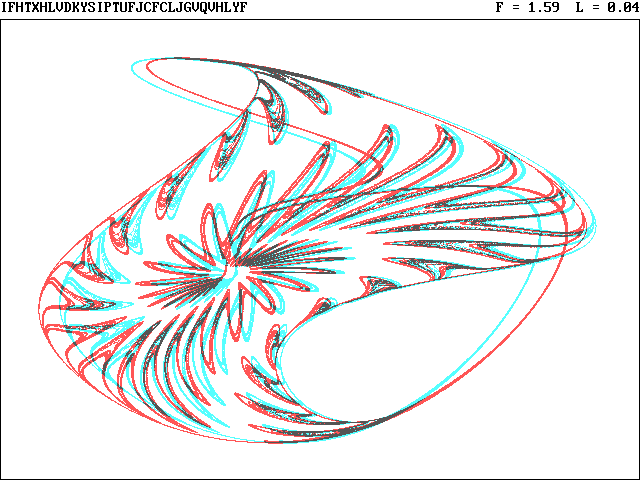
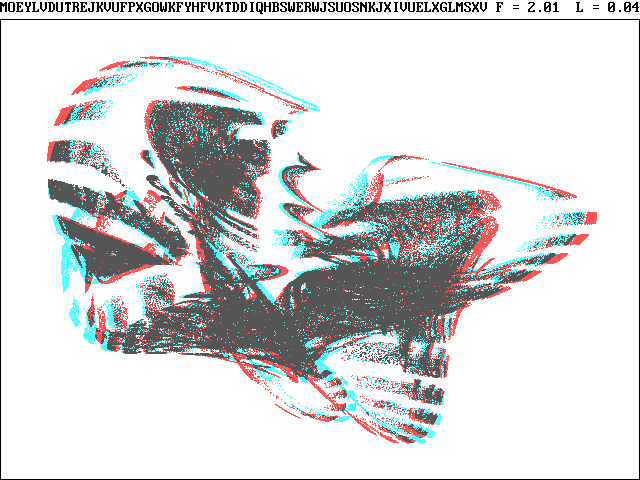
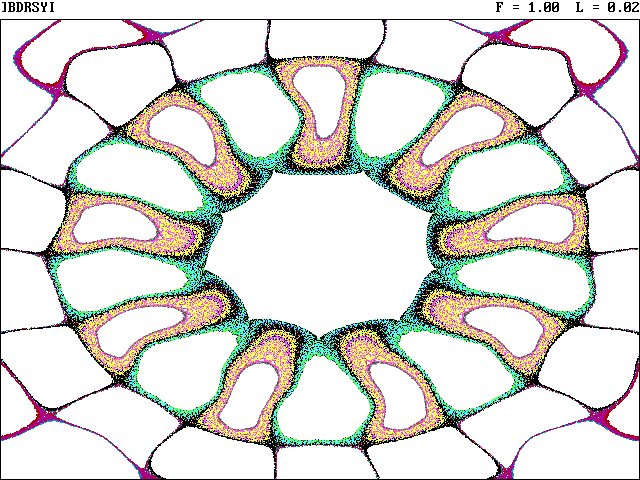
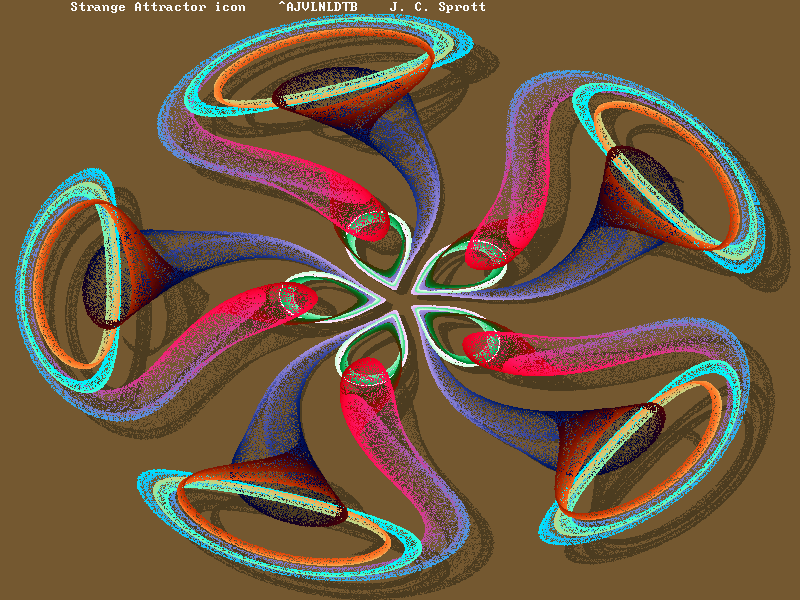
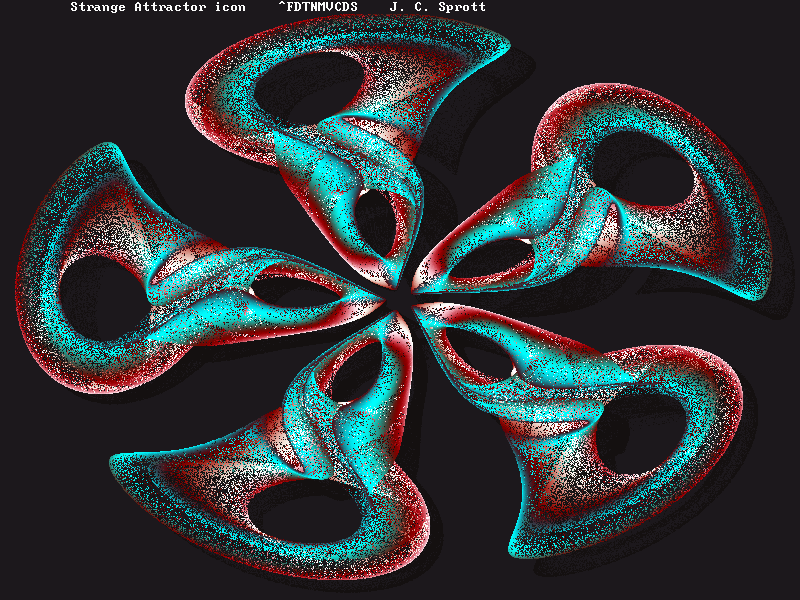
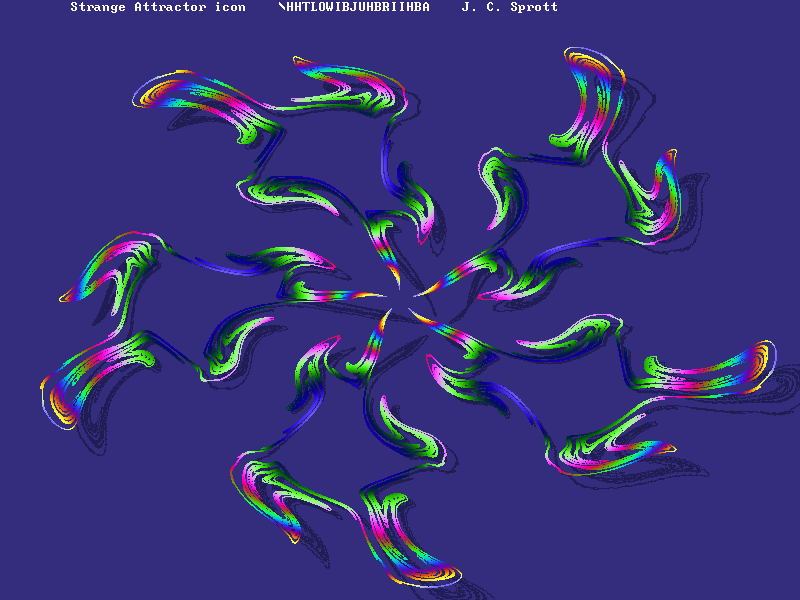
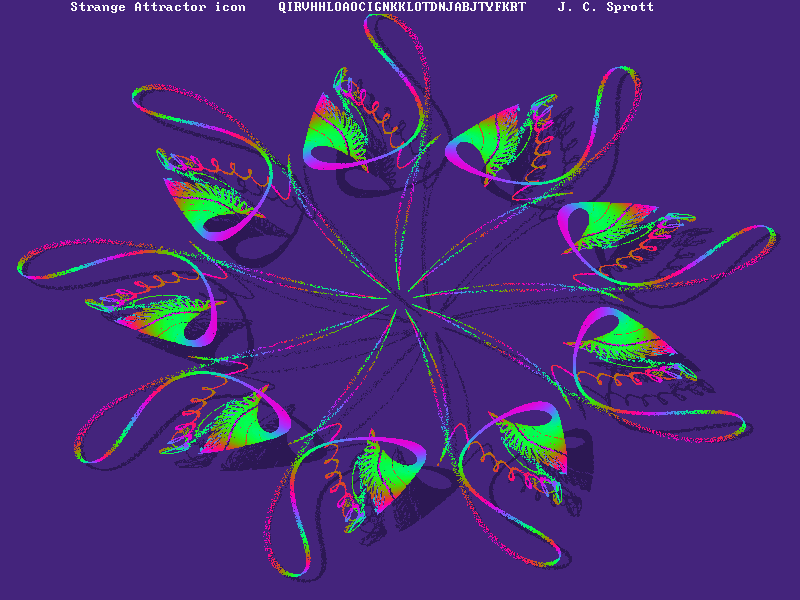
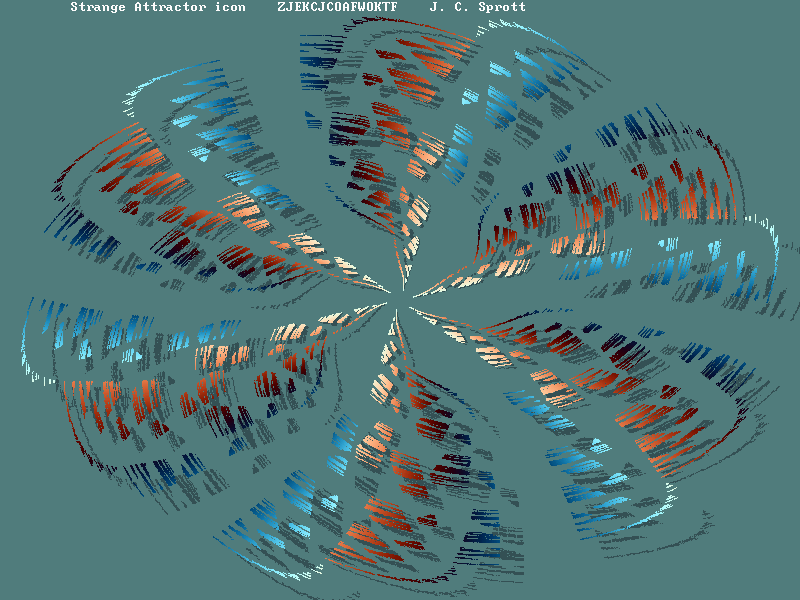
The following icons are produced from 3-D
strange attractors by mapping the x-coordinate to radius
and the y-coordinate to angle and replicating the pattern
with different orientations. The z-coordinate is
represented by one of 256 colors, and a shadow is added to enhance
the illusion of depth. The technique is described in a paper "Strange Attractor Symmetric Icons"
by J. C. Sprott. The equations used are
coded into the name according to a scheme described in the book Strange Attractors: Creating Patterns in Chaos
by Julien C. Sprott. Additional such
cases can be produced automatically by the program
icon256.exe. If you like these,
you can view an index of 100
additional such examples, or an index
of cyclic symmetric attractor anaglyphs produced by a different
method. You can also view an index
of fractal tilings useful as Windows wallpaper or HTML backgrounds
(as on this page).
![[medusa]](fractals/carlson/medusa.gif) |
You might also like to look at an index of many thousands of
fractals I've collected off the net, mostly from the newsgroup alt.binaries.pictures.fractals
and from the World Wide Web. In most cases, I don't know the
original source, and so I apologize to anyone whose copyright may
have been violated. Many of the nicest of these images are the
work of Paul Carlson whose Fractal Gallery
you may wish to visit. Here's a few cases I've selected as the
best of the best:
![[Animated GIF]](fractals/animated/nhrisk.gif) |
These images are from the iterated
mapping xnew = a + bx + cx2
+ dy + ez + f sin(pi t/8), ynew
= x, znew = y, where a through f
are constants coded into the file name as described above. If your
browser supports animated GIFs, you will see 16 looping frames (t
mod 16). These images illustrate the stretching
that causes chaos and the folding that produces the fractal
microstructure of strange attractors. The DOS programs that were used to
produce them are available. The individual frames were assembled
using the GIF
Construction Set by Alchemy
Mindworks Inc. You might also like to look at an index of other fractal GIF
animations, which includes 19 of the simplest
known chaotic flows.
![[Broccoli]](fractals/natural/broccoli.jpg) |
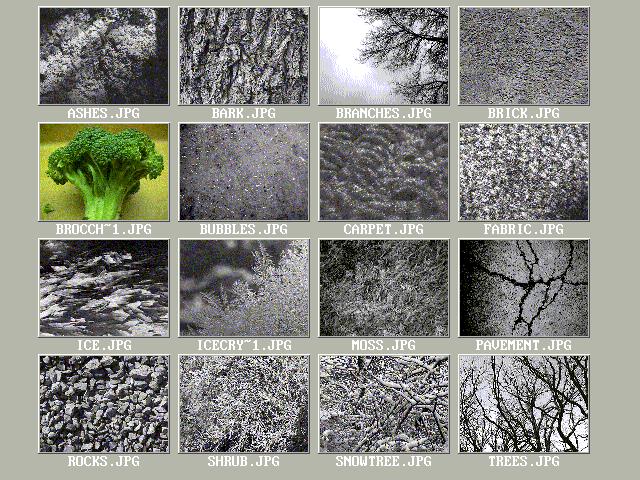
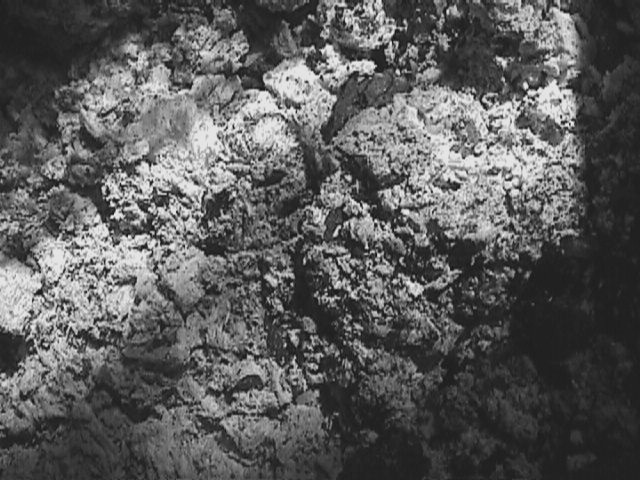
These images are real-world fractals
photographed by J. C. Sprott. More
images of this type can be found in the index of natural fractals.
![[Publication quality
attractor]](fractals/pubqual/smkbnxqa.gif) |
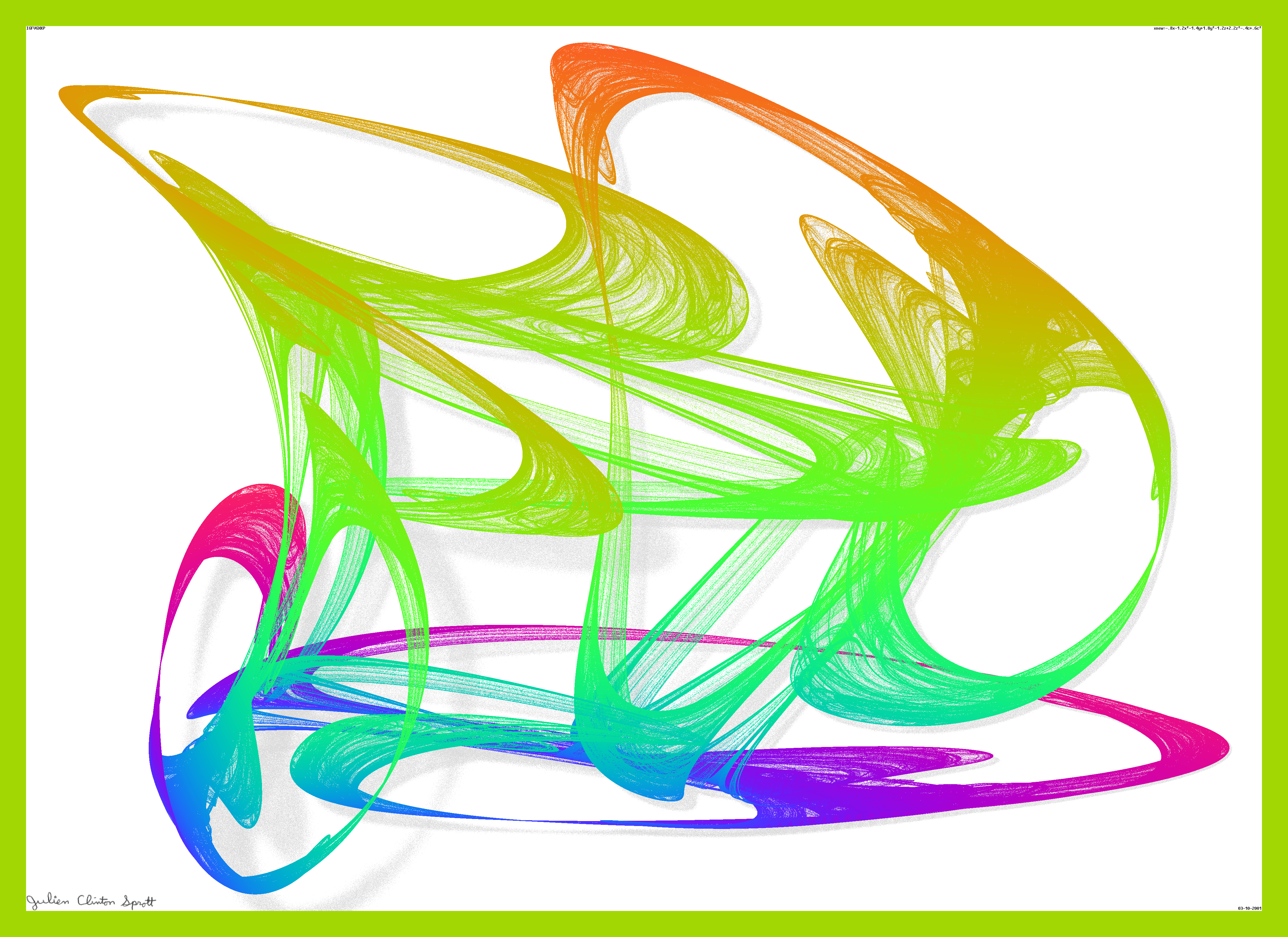
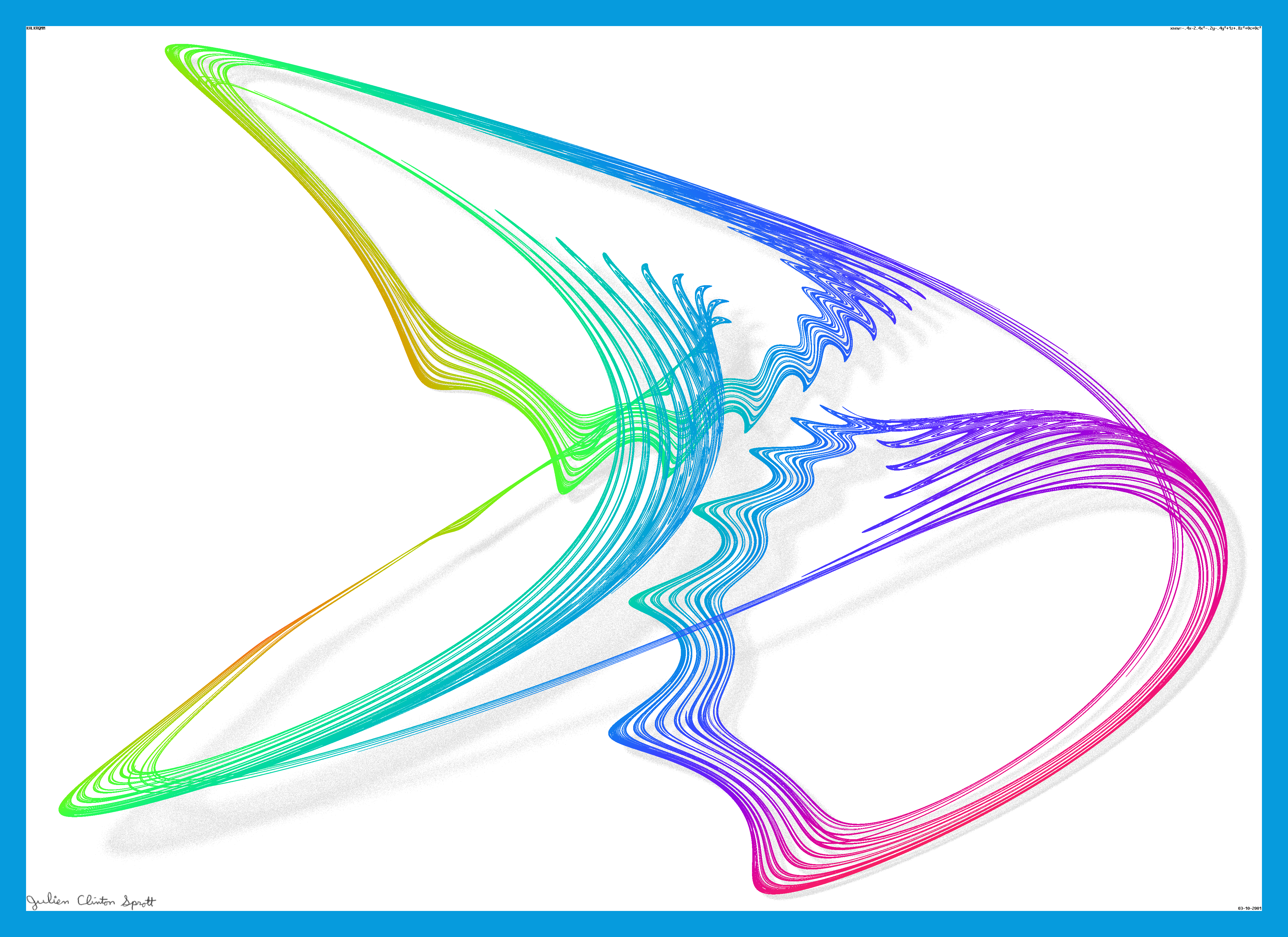
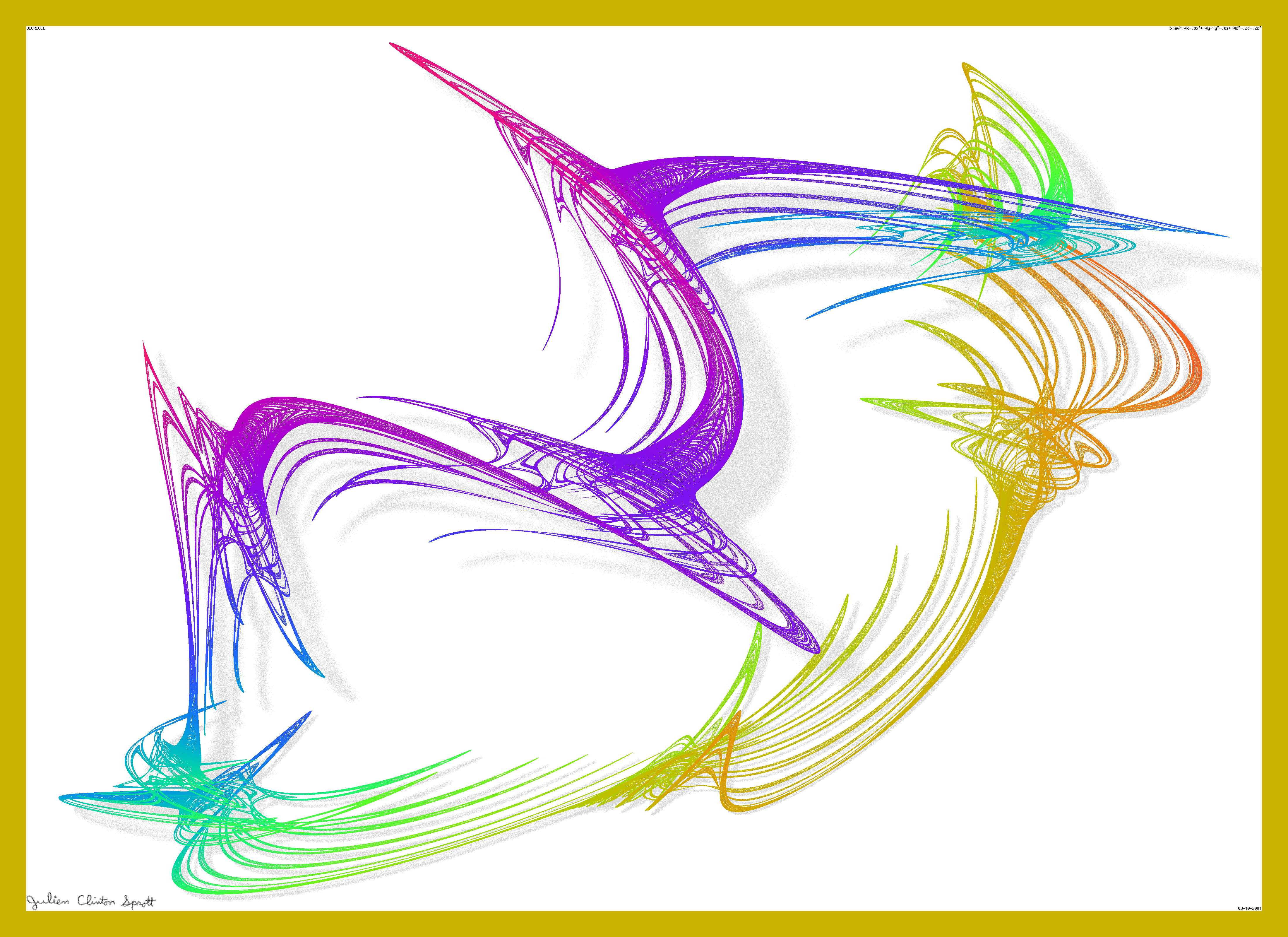
These very high resolution (4400 x 3200)
strange attractors (c) by J. C. Sprott
are included for anyone who would like to make publication quality
prints or display art. You may publish or display them without
further permission provided you acknowledge their source.
Thousands more like these are available upon request. See also the
slideshow
and high-resolution images from the
CD-ROM that accompanies the book "Images of a
Complex World: The Art and Poetry of Chaos" and the strange attractor prints offered
for sale.
The
Infinite Fractal Loop: HELP
| NEXT 5 | RANDOM | SKIP 1
HELP
| NEXT 5 | RANDOM | SKIP 1 Statistics
I hope you'll visit my home page and leave a comment.
Total accesses:
 Back to the server home page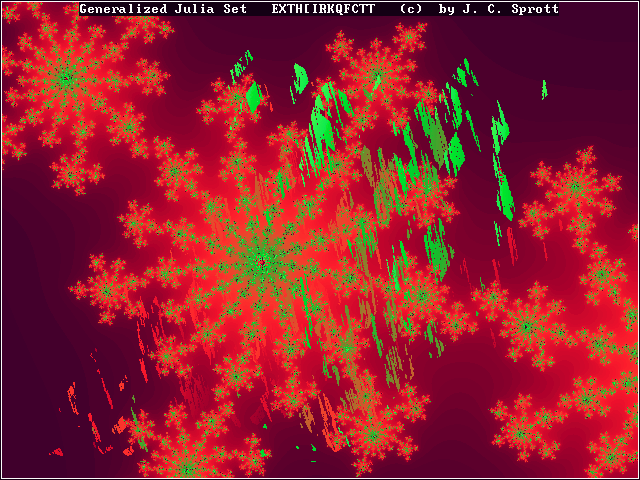




















![]IGDFKI](fractals/igdfki.gif)
![]LEXDJE](fractals/lexdje.gif)
![]PUBLNE](fractals/publne.gif)